India Cracks Down on ‘Energy Drink’ Labels, Targets Pepsi, Red Bull and Others
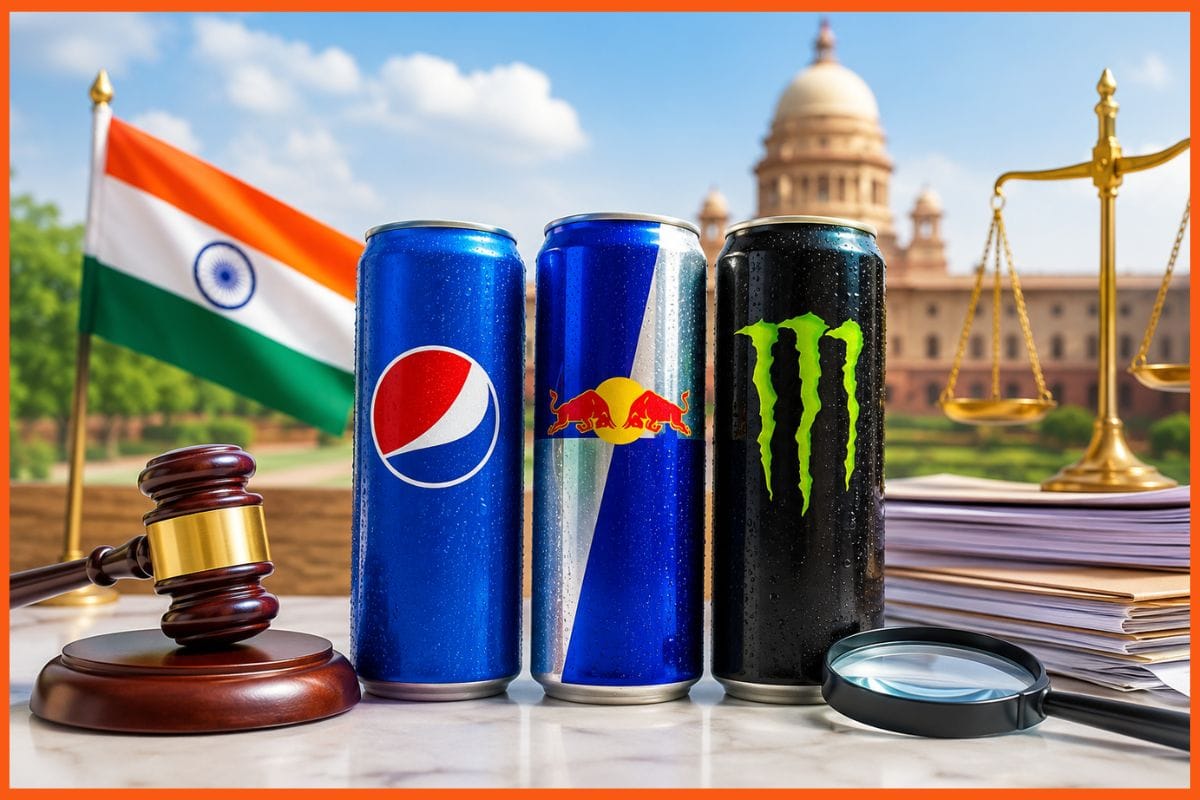
The FSSAI does not recognise the phrase ‘energy drink’ as a permitted category. India has ordered Pepsi, Red Bull, Monster, Reliance and Hell Energy to remove the term ‘energy drink’ from product labels within 90 days.
It is illegal to sell caffeinated drinks in India under the name "energy drinks", according to a government directive. Therefore, the move was rejected in spite of the efforts of some of the world's largest beverage companies to postpone it.
Pepsi, Red Bull, Monster Beverage, Reliance, and Hell Energy have all been instructed by the Food Safety and Standards Authority of India to remove the term "energy drink" and related phrases from their labels. According to an Indian government source, the corporations have been given 90 days by the regulator to comply. Following a private discussion with FSSAI officials on July 24th, the industry decided to implement the adjustments.
FSSAI Putting Strict Scanner on Energy Drinks
Despite industry worries about the potential effect on sales, FSSAI chief executive Rajit Punhani allegedly dismissed their concerns. Employees of the company were informed by him that legal action could be taken to contest the order. "Energy drinks" are not recognised as a distinct category in India, according to FSSAI, which stated earlier this month. Furthermore, it criticised as deceptive the assertions that these drinks energise the body and mind or help with overall weakness.
A market based on the promise of immediate energy could be impacted by the order. Taking away the familiar description is something that many companies are worried would hurt their brands and sales. The term "Gives You Wings" is used by Red Bull to promote their products, while the ads for Pepsi's Sting depict the drink as delivering "electrifying energy" and sending lightning through a person's body. Other countries' regulators have responded to public outcry over these drinks' excessive sugar, caffeine, and taurine content.
As in April of next year, energy drinks with a high caffeine content will no longer be sold to minors in England. Nevertheless, the goods must be labelled as "stimulant drinks" in certain parts of Pakistan.
Response from Indian Beverage Association
The Indian Beverage Association, which represents numerous significant corporations, declared its dedication to adhering to regulations and collaborating with authorities on science-based policies. However, the group said in a July 6 secret letter submitted to FSSAI that companies' reputations, operations, and consumers could be damaged if preliminary notices were publicly disclosed. It recommended that the authority take a risk-based approach to enforcing regulations.
In order to prevent litigation and ensure smoother compliance, the organisation recommended conducting regular stakeholder meetings prior to making substantial interpretational changes. A regulatory system that was "predictable, consultative and transparent" was also emphasised. Beverage sales in India are predicted to reach $1.6 billion by 2028, growing at a rate of 12.6% per year. From 2018 to 2023, sales volumes increased at a rate of about 100% every year, according to a Euromonitor analysis.