Iran Conflict Highlights Need for India's First LPG Efficiency Policy
Pune Gas has called on the Centre to develop India’s first LPG Efficiency Policy Framework as energy costs surge and supply chains are disrupted due to the Iran conflict. To boost fuel economy and safety, the business has advised the promotion of 47.5-kg LOT cylinders.
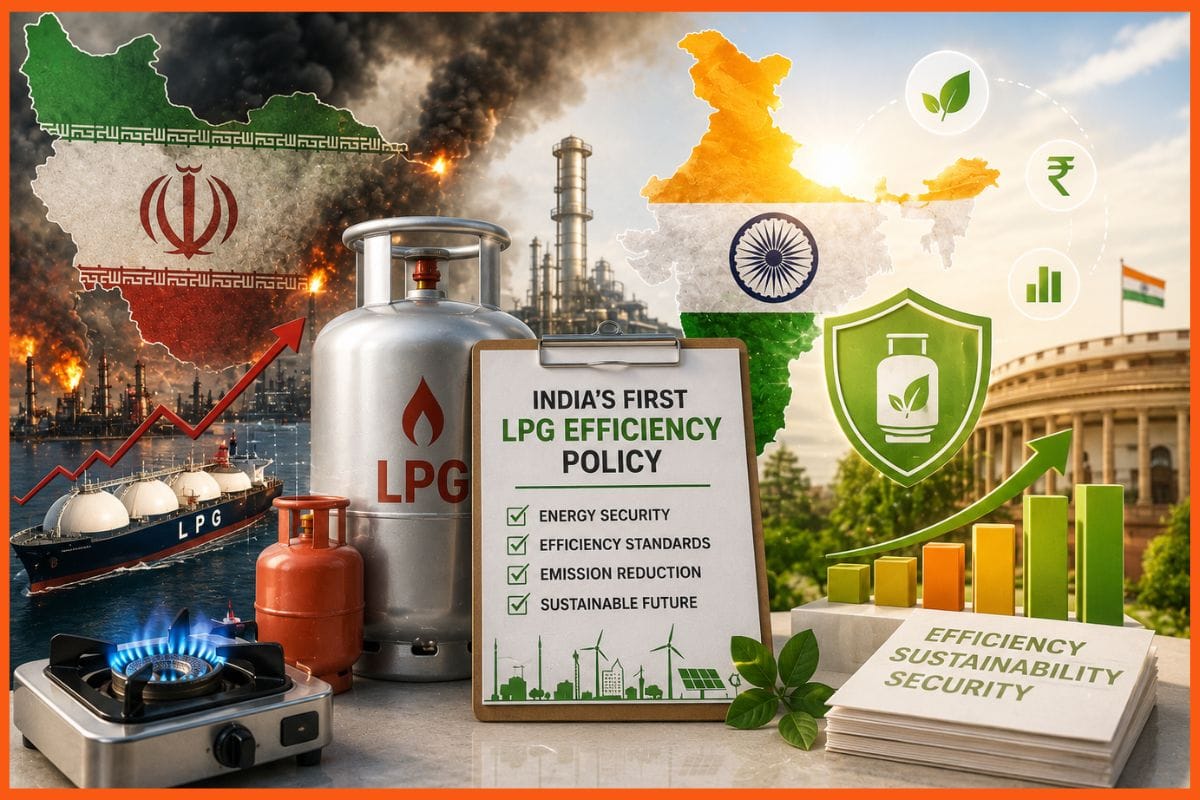
Fuel supply chains are being disrupted, and energy prices around the world are being driven higher by geopolitical tensions in the Middle East. Efficient consumption of Liquefied Petroleum Gas (LPG) has been advised by an Indian energy business to the union government.
According to Pune Gas, they are requesting what they call the first LPG Efficiency Policy Framework in India from the Ministry of Petroleum and Natural Gas. The idea has been made at a time when the world's LPG markets are already feeling the effects of the continuing turmoil in Iran. Consequently, the cost of commercial LPG is going up, which is bad news for companies who rely on the fuel.
Recommendations Made by Pune Gas
According to Pune Gas, one of their suggestions is that the government should make it easier for businesses to use LPG. The company has also requested that the ministry push for the promotion of 47.5-kg LOT cylinders by Oil Marketing Companies (OMCs) in areas where they are commercially viable. The business claims that by using these larger cylinders, they can better use available LPG supply, decrease theft, raise safety standards, and cut down on waste.
More government cooperation and statewide efforts to educate the public on efficient LPG usage are also included in the proposal. In addition, Pune Gas suggested that, in order to speed up the implementation of efficient LPG systems, industry players and OMCs should standardize their procedures. According to Jesal Sampat, Executive Director and CEO of Pune Gas, who explained the proposal's reasoning, India has historically evaluated its LPG challenge based on the quantity of fuel purchased and provided.
Pune Gas Proposed LPGenius
In keeping with the principles of Atmanirbhar Bharat, Pune Gas has built its own LPG management system, LPGenius, which it has included in its proposal. According to the business, the solution is made to help commercial and industrial users optimise their costs, increase operational safety, and boost LPG efficiency. Oil and gas marketing companies, as well as the Ministry of Petroleum, have been approached by Pune Gas, who has volunteered to collaborate by providing case studies, implementation insights, and field data.
In addition, the company will back experimental programmes run by the Indian government to improve the country's LPG infrastructure and make it more sustainable. Sampat stated that Pune Gas now thinks it's time to additionally analyse the country's efficiency in using its existing fuel supply. In addition to increasing supply, reducing needless waste will be the next big step for India's energy security. Operating costs are reduced, national demand is eased, and India's energy ecosystem is strengthened with every kilogram of LPG used efficiently. Optimal efficiency is beneficial for the country as a whole, not merely for engineers.