RBI Bans Banks From Locking Borrowers’ Phones to Recover Loans
The Reserve Bank of India (RBI) has forbidden banks from remotely locking borrowers’ mobile phones, tablets or laptops to recover loans, except under certain device-financing arrangements. Restrictions must only take effect after 30 days of default and be phased in over 60 days under new standards.
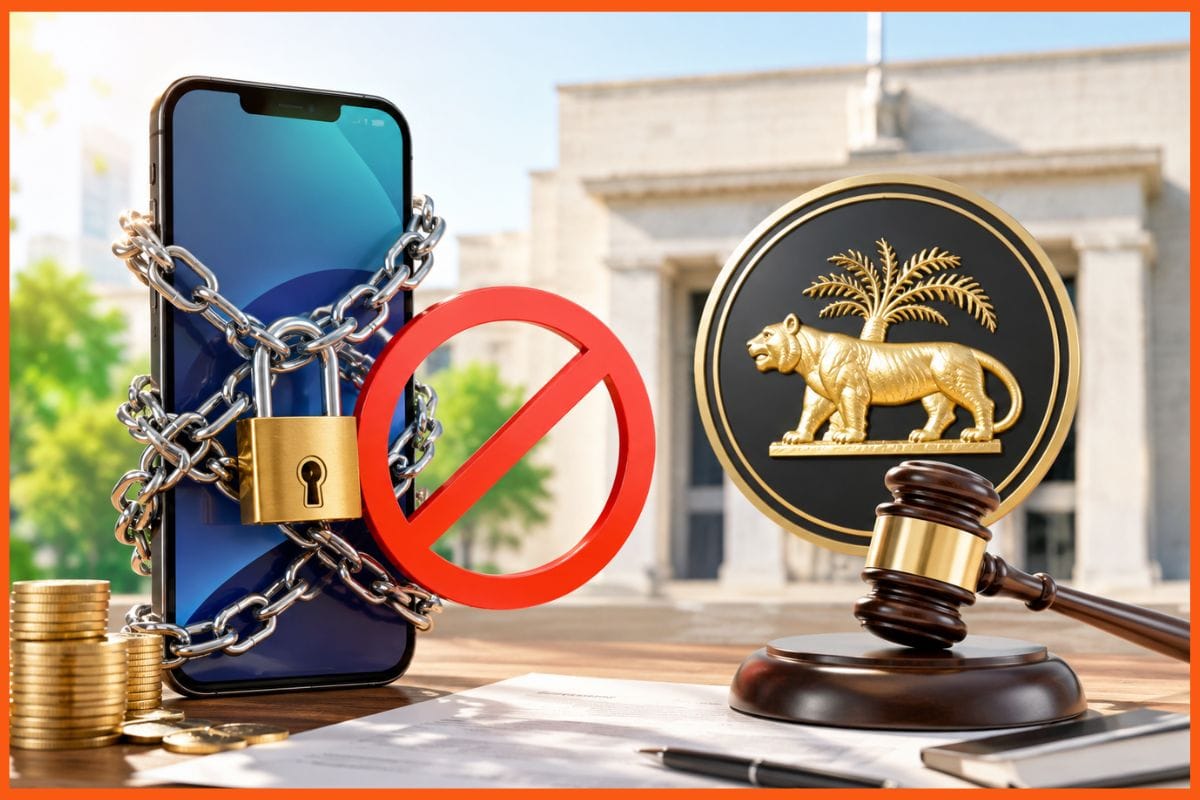
Banks in India can't take action against customers' mobile devices, tablets, or laptops via remote access in order to collect overdue loans, according to the Reserve Bank of India. This rule only applies if the debt was used to purchase the gadget. The only way for a bank to limit a device's technological capabilities is if the loan that financed its acquisition specifically permits it.
After a default has occurred, the agreement must detail how to recover and in what order restrictions can be imposed. The guidelines also include due dates for implementing limits, safeguards for critical phone features, and a clause that mandates banks pay borrowers in cases where their devices are unjustly restricted or not restored in a timely manner. Financial institutions are subject to regulations set out by the RBI that regulate their dealings with borrowers, guarantors, and recovery agencies.
Details of Guidelines Set by RBI
Restrictions on funded devices cannot be imposed by the bank until the loan account is at least 30 days past due, even after the borrower has received the due notice. It is necessary for lenders to impose limitations gradually. After 60 days of delinquent payments, they can apply all of the allowed restrictions. Financial institutions are unable to prohibit outbound calls prior to the sixty-day grace period. After that time has passed, lenders will still be unable to block calls, SMS, or the SOS emergency feature.
Borrowers are also not to be hindered from using their gadgets for job or job-related purposes due to restrictions. The device's operating system platform or original equipment manufacturer (OEM) must certify the technical mechanism before a bank can use it. Additionally, borrowers should be able to see the current state of any device limitations at any moment. The borrower is entitled to INR 250 per hour for each hour if the lender incorrectly restricts the device's functionality or fails to restore it within the specified time following repayment. The sum of all payments must not surpass the principal of the loan.
Guidelines for Recovery Agents
A bank's website should include a list of recovery agents or agencies that have been approved to work with the bank, and the bank should also have a policy outlining how they will work with recovery agents. Additionally, they need to instruct recovery agents on how to act appropriately. According to the RABI, employees or recovery agents are expected to maintain civility when interacting with the borrower or guarantor. In addition, when visiting the borrower's or guarantor's residence to collect or recover overdue loan payments, he or she must act with dignity and respect.
The central bank has also limited the hours that recovery agents and bank employees can reach out to guarantors and borrowers. It was also stated by RBI that no employee or recovery agent may contact or visit the borrower or guarantor between the hours of 8:00 AM and 9:00 PM. No calls or visits will be made before or after the specified time unless the borrower or guarantor gives their explicit permission.