
The Stack Raises ₹21.5 Cr Betting on Just Five Products
Two of the three co-leads also led The Stack's ₹5.5 crore round in January. The new money arrives as the Cipla family's investment firm joins a category whose two biggest exits went to an FMCG giant and a drugmaker.
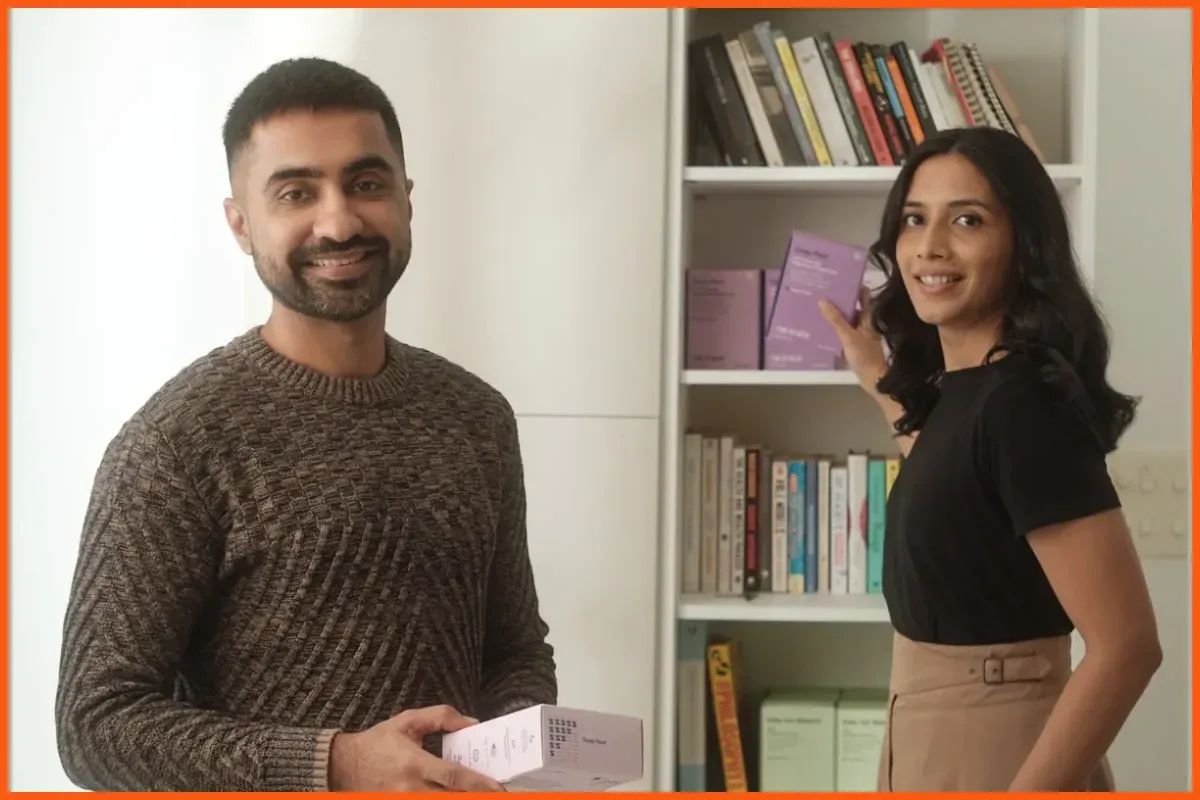
The Stack sells five products. It has just raised ₹21.5 crore on a promise not to sell many more.
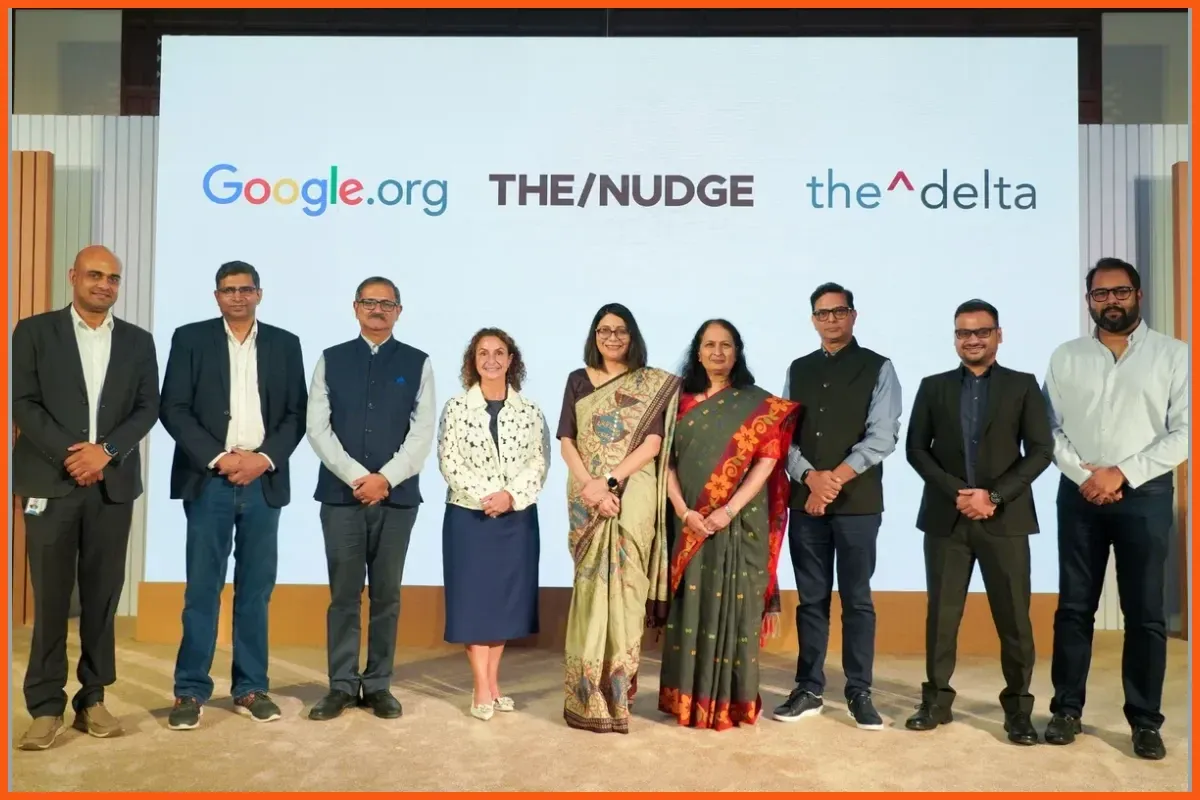
The supplements brand, founded by Shreya Jain and Kshitij Rihal, said the round was co-led by Sauce, OTP Ventures and Huddle Ventures, with AYRA Ventures taking part. The money goes into hiring, research and development, and a product range the company says it intends to widen slowly.
Two of the three co-leads are not new money
The Stack's first institutional round was ₹5.5 crore in January 2026, which valued the company at roughly ₹27.5 crore. This round is close to four times that cheque, nine months later. OTP Ventures and Huddle Ventures both led that first round too, so two of the three co-leads here are existing backers increasing their position rather than arriving fresh. Sauce, a consumer-brands fund whose portfolio runs to Supertails, Perfora, MyMuse and Hocco, is the new lead. Neither the new valuation nor the stake sold has been disclosed, though ₹21.5 crore into a company last marked at ₹27.5 crore implies a sharp step up rather than a flat round.
OTP Ventures is run by Suhail Sameer, who was chief executive of BharatPe before leaving in 2022. His fund closed its first vehicle at ₹500 crore, capping it there despite holding more than ₹750 crore of commitments, and its portfolio already includes Traya and NatHabit.
The Cipla family is now on the cap table
AYRA Ventures is the firm of Samina Hamied, who represents the third generation of Cipla's founding family and was the drugmaker's executive vice chairperson from 2016 to 2024. She joined Mahindra & Mahindra's board as an independent director in October 2025.
I think that is the most telling name on the list, because of where this category's money has been going. In February 2026 Hindustan Unilever bought the remaining 49% of Zywie Ventures, the parent of OZiva, for ₹824 crore, taking full ownership and valuing the business at around ₹1,682 crore against the ₹264 crore it paid for its first 51% in December 2022. On the same day HUL sold its 19.8% holding in Nutritionalab, which owns Wellbeing Nutrition, to the pharmaceutical company USV for ₹307 crore, with USV taking a controlling position. The two defining outcomes in Indian supplements went to an FMCG conglomerate and a drugmaker, not to public markets. A Cipla family office writing a cheque into a brand this young fits that pattern rather neatly.
Delhivery and Ultrahuman founders got there first
The angels already on The Stack's register are a consistent set. Three of Delhivery's five founders are there: chief executive Sahil Barua, chief technology officer Kapil Bharati and Suraj Saharan. So are both founders of Ultrahuman, Mohit Kumar and Vatsal Singhal, who built the smart ring and glucose monitor business after selling their logistics startup Runnr to Zomato. Viraj Sheth of Monk Entertainment is on the list too.
Logistics operators and a health-wearables pair is an unusual combination, and it maps onto what a subscription supplements brand actually has to solve: repeat shipping, and a reason for people to keep measuring themselves.
The filed accounts start from almost nothing
Stack Nutraceuticals, the company behind the brand, was incorporated on 5 February 2024 and is registered in Tiswadi, Goa, which is an unusual base for an Indian direct-to-consumer brand. For the year to 31 March 2025 it reported revenue of ₹5.04 lakh and a net loss of ₹8.87 lakh, a near standing start for a business incorporated partway through that year and still a long way from its January 2026 funding. Its filings classify the business as wholesale trade rather than manufacturing, which is consistent with a brand that contracts out production and keeps its own operation light.
The year to March 2026 is the first that will show the company trading properly, and it has not been filed.
What the company says about repeat buying
The Stack puts its own numbers at:
- Five products, covering sleep, gut and functional health
- One in three customers placing a second order within six months
- The top 10% of customers driving 30% of revenue
- Growth of five times in the six months after its January round
- A target of six to seven times growth across FY27
Those are company figures with no base disclosed, and five times a small number is still a small number. The repeat rate is the one that matters. In a category where customer acquisition cost is the thing that kills brands, a third of buyers returning unprompted within six months is the difference between a business and a marketing spend.
Five products. That is the whole catalogue.
Rihal framed the strategy as refusal, saying a lot of building the company has been "saying no" to launching fifty products and to upselling people things they do not need. The test of that is simple enough to watch: whether the catalogue is still short this time next year, after the money has been spent on research and a wider range.
Frequently asked questions
How much has The Stack raised in total?
The Stack has raised ₹27 crore in disclosed funding: ₹5.5 crore in its first institutional round in January 2026, and ₹21.5 crore in this round.
Who invested in The Stack's latest round?
The round was co-led by Sauce, OTP Ventures and Huddle Ventures, with AYRA Ventures participating. OTP and Huddle also led the January 2026 round. Existing angel backers include Delhivery founders Sahil Barua, Kapil Bharati and Suraj Saharan, and Ultrahuman founders Mohit Kumar and Vatsal Singhal.
What does The Stack sell?
Five supplement products covering sleep, gut health and functional health, sold directly to consumers and increasingly on subscription. The company says it deliberately keeps the catalogue small rather than launching across many categories.