Top 10 Fire Risks at Home and How Insurance Protects You
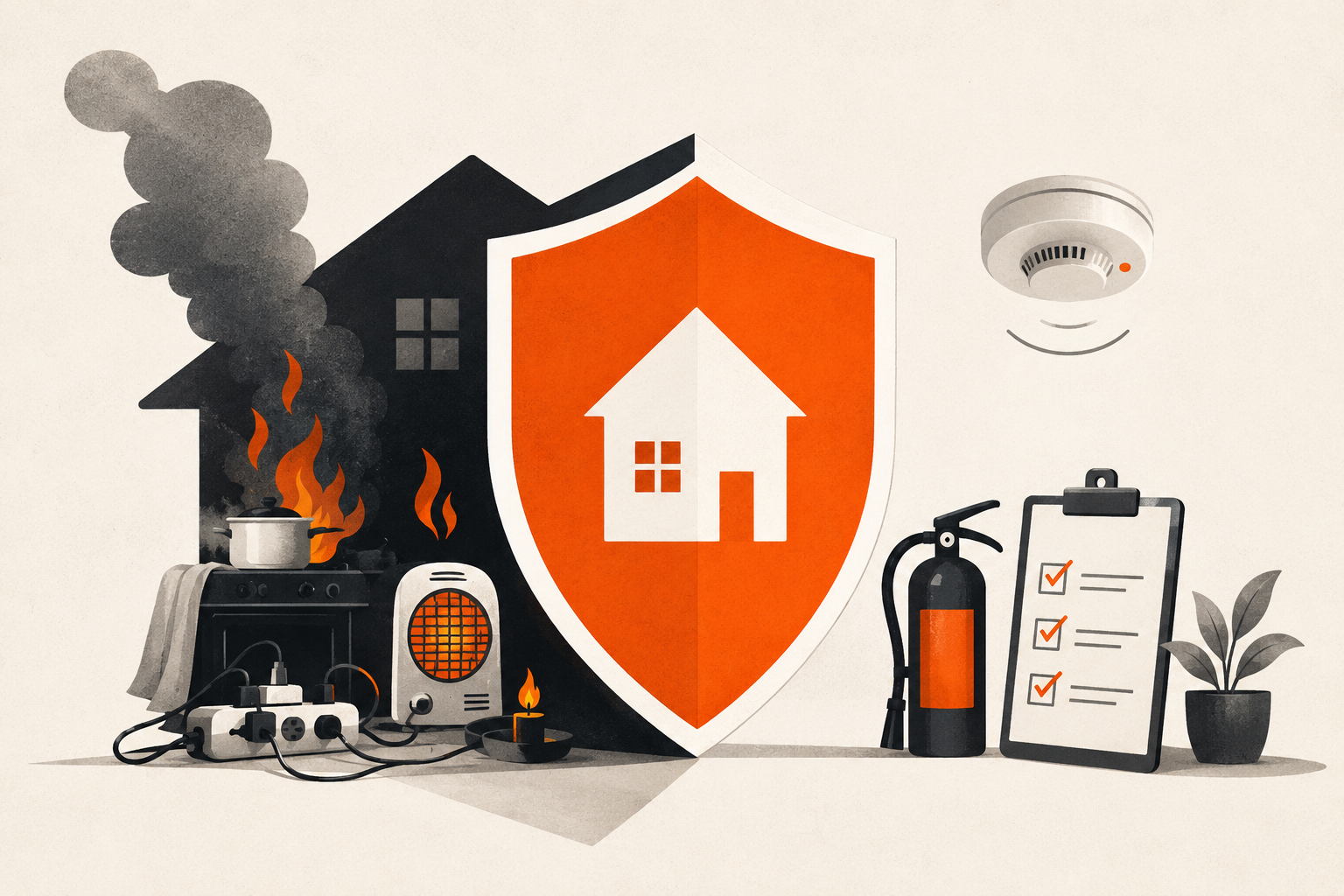
Turned off the stove? Checked the plug before leaving? Small checks like these are easy to overlook when you are rushing through your day. Cooking, electrical equipment, heating devices, and open flames are some of the common sources of fire risk at home. Knowing what can cause a fire can help you take sensible precautions. If a fire does cause damage, fire insurance may provide financial protection for certain insured property losses.
What Are the Most Common Fire Hazards in Your Home?
A fire can start during something as routine as cooking dinner or plugging in an appliance. Some risks are easy to overlook because they are part of everyday life. Here are a few areas worth keeping an eye on:
- Cooking-related risks: Leaving food unattended on the stove, overheating cooking oil, or keeping kitchen towels and other flammable items too close to a heat source can create a fire hazard.
- Electrical problems: Damaged cords, overloaded sockets, and faulty wiring can cause overheating and may start a fire.
- Heating equipment: A heater placed close to curtains, blankets, or upholstered furniture can heat nearby materials and create a fire hazard.
- Candles and open flames: Leaving candles or other open flames unattended, particularly near combustible materials, can create a fire risk.
- Flammable household items: Newspapers, cardboard, cleaning products, and other combustible materials kept close to heat sources can increase the intensity of a fire.
- Faulty appliances: Damaged or poorly maintained appliances can develop electrical faults and increase the risk of fire.
- Overloaded extension boards: Connecting several high-power appliances to one extension board or socket can place excessive load on the electrical system.
- Rechargeable batteries: Damaged batteries, unsuitable chargers, or improper charging practices can increase the risk of overheating and fire.
- Gas appliances: Poor maintenance, damaged connections, or improper use of gas appliances can increase fire risk at home.
- Smoking materials: Discarded cigarette ends or hot ash coming into contact with furniture, bedding, or other combustible materials can start a fire.
How Can Fire Insurance Help With Property Losses?
Fire prevention starts with everyday precautions, but insurance can also form part of your approach to managing property risks. Depending on the policy, certain insured losses caused by fire or other covered events may fall within its scope.
The property involved also matters. For example, a homeowner may consider cover for the home and its contents, while a business owner may look at shop insurance when considering risks to a retail premises and its insured property. The actual scope depends on the policy wording.
Some areas that may be covered, depending on the policy, include:
- Building: Certain insured damage to the building and permanent fixtures may be covered.
- Contents: Furniture, appliances, and other insured belongings may fall within the policy's scope.
- Additional expenses: Some policies may provide for certain expenses arising when insured property cannot be used, subject to the applicable terms and conditions.
What Can You Do to Reduce Fire Risks at Home?
Fire safety starts with simple habits. Do not leave cooking unattended, keep curtains and other combustible items away from heat sources, and avoid plugging too many appliances into one socket.
It also helps to keep smoke alarms and suitable fire extinguishers accessible and have electrical and gas equipment checked when needed.
Conclusion
You may not be able to remove every fire risk from your home, but you can decide how prepared you want to be if property damage occurs. Fire insurance is one way to address the financial side of that risk, alongside the precautions you take every day. Before purchasing a policy, consider the type and value of property you want to protect and check whether the policy terms match those requirements.