Why Startups Are Rethinking Office Acoustic Solutions for Modern Workspaces
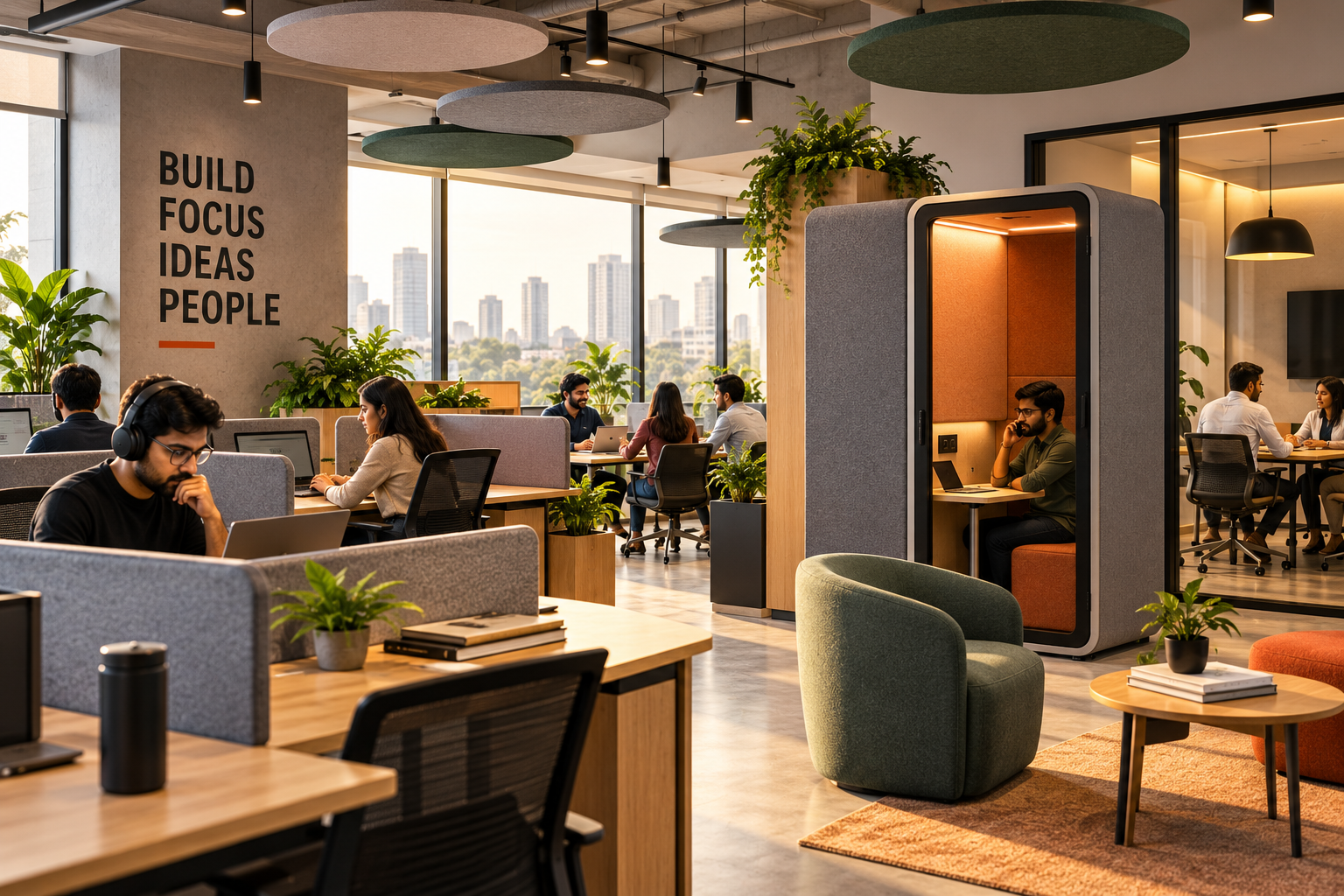
Startup offices have changed. Rows of fixed desks and closed-door rooms are giving way to flexible layouts, shared work areas, meeting zones, and spaces that adapt as teams grow. That flexibility can make collaboration easier, but it can also introduce an often-overlooked challenge: noise.
Conversations carry across open spaces. Video calls spill into nearby workstations. Hard floors, glass walls, exposed ceilings, and other reflective surfaces can cause sound to linger, making even moderate noise feel distracting. The real issue is often not volume alone, but speech and reverberation that make it harder to focus.
For startups looking to make every square foot work harder, acoustic planning is becoming a core part of workplace strategy, not an afterthought.
Acoustic Design Is Moving Into the Furniture
Traditional acoustic improvements often focus on the building itself. A company might install ceiling treatments, cover walls with absorptive panels, or add permanent partitions. These approaches can help, but startups often lack the budget, space, or lease flexibility for major modifications.
That is helping drive interest in office acoustic solutions that integrate sound absorption directly into furniture and workplace elements. Instead of treating acoustics as a separate layer added after an office is furnished, companies can consider it when choosing booths, partitions, seating, screens, and collaborative furniture.
This approach changes what furniture can accomplish. A divider, for example, does not have to serve only as a visual boundary. With suitable acoustic materials and thoughtful placement, it can also help absorb sound near work areas. High-backed seating can create a more sheltered setting for conversations, while enclosed or partially enclosed furniture can provide quieter places for calls and focused tasks.
Furniture placement can also influence how sound moves through an open office. Screens between workstations, absorptive surfaces, and the distance between employees can all affect how easily speech travels from one area to another. That makes acoustic performance relevant to the wider workplace design, not just the appearance of individual pieces.
Startups Need Space That Can Change With the Business
Permanent office improvements can become awkward when a startup changes direction.
A team of 15 may need a very different workplace six months after hiring another 20 people. A collaboration zone may later need to become a focus area. Desks may move, departments may switch floors, and hybrid schedules can change how much space is needed for individual versus group work.
Furniture-based acoustic strategies fit this reality well. Screens, pods, booths, and other movable elements can often be relocated as the office changes. That gives growing businesses more freedom to adjust their layouts without rebuilding walls every time their needs shift.
They can also help protect usable floor area.
Adding a dedicated quiet room for every type of task is rarely practical in a compact office. Furniture can create smaller acoustic zones inside a larger room, giving employees places for focused work, private conversations, or calls without dividing the entire floor into enclosed rooms.
The goal is not to make every area silent. A startup still needs places where employees can talk, brainstorm, and work together. Acoustic planning is more useful when it helps different activities coexist.
That may mean placing collaboration areas away from concentration zones, using absorptive furniture near conversational spaces, and giving employees easy access to more enclosed settings when they need greater speech privacy. Good acoustics come from managing how sound behaves across the whole room, not trying to eliminate it.
Better Acoustics Start With the Work, Not the Product
No single piece of acoustic furniture can solve every noise problem.
Before selecting products, a startup should consider what actually happens throughout the workday. Where do most calls take place? Which teams talk frequently? Where do employees perform tasks that require sustained concentration? Are complaints linked to overall volume, understandable conversations, echoes, or a lack of private spaces?
Those questions matter since different acoustic problems require different responses.
Background speech is particularly relevant in open offices. Research published in Applied Acoustics found that unattended speech affected perceived distraction and performance on short-term and working-memory tasks. The study also tested acoustic conditions involving absorption, screen height, desk isolation, and masking sound, showing how room design can shape how distracting speech is experienced.
That distinction is useful for startups. Acoustic improvements should not be treated as a guaranteed productivity shortcut. Instead, they can help create conditions that make it easier for employees to find an environment suited to the task in front of them.
Consider furniture alongside the rest of the room. Ceiling materials, flooring, walls, occupancy levels, workstation spacing, and the overall layout all influence acoustic performance. Research on open-plan offices has also found that factors such as screen height and sound absorption can affect speech decay.
A sound-absorbing chair or divider cannot fix every design issue, but furniture can be a practical part of a broader acoustic plan.
The Smarter Office Makes Every Square Foot Work Harder
Startup workplaces have to do several jobs at once. They need to support collaboration without making concentration impossible. They need to feel comfortable without wasting space. Most of all, they need to remain flexible enough to change as the company does.
That is why acoustic performance is increasingly worth considering when furniture is selected, not after distracting noise has already become a daily complaint.
When partitions, booths, seating, and other workplace elements support sound management alongside their primary purpose, startups can get more function from the same physical footprint. They may also reduce their reliance on extensive wall-mounted treatments or permanent construction.
The best modern office is not necessarily the quietest one. It is a workplace where conversations can happen without dominating the room, focused tasks have somewhere to live, and the layout can evolve without starting from scratch. Building acoustic thinking directly into the furniture is one way startups can move closer to that balance.