

Cybersecurity Best Practices for Bootstrapped Startups Going Global
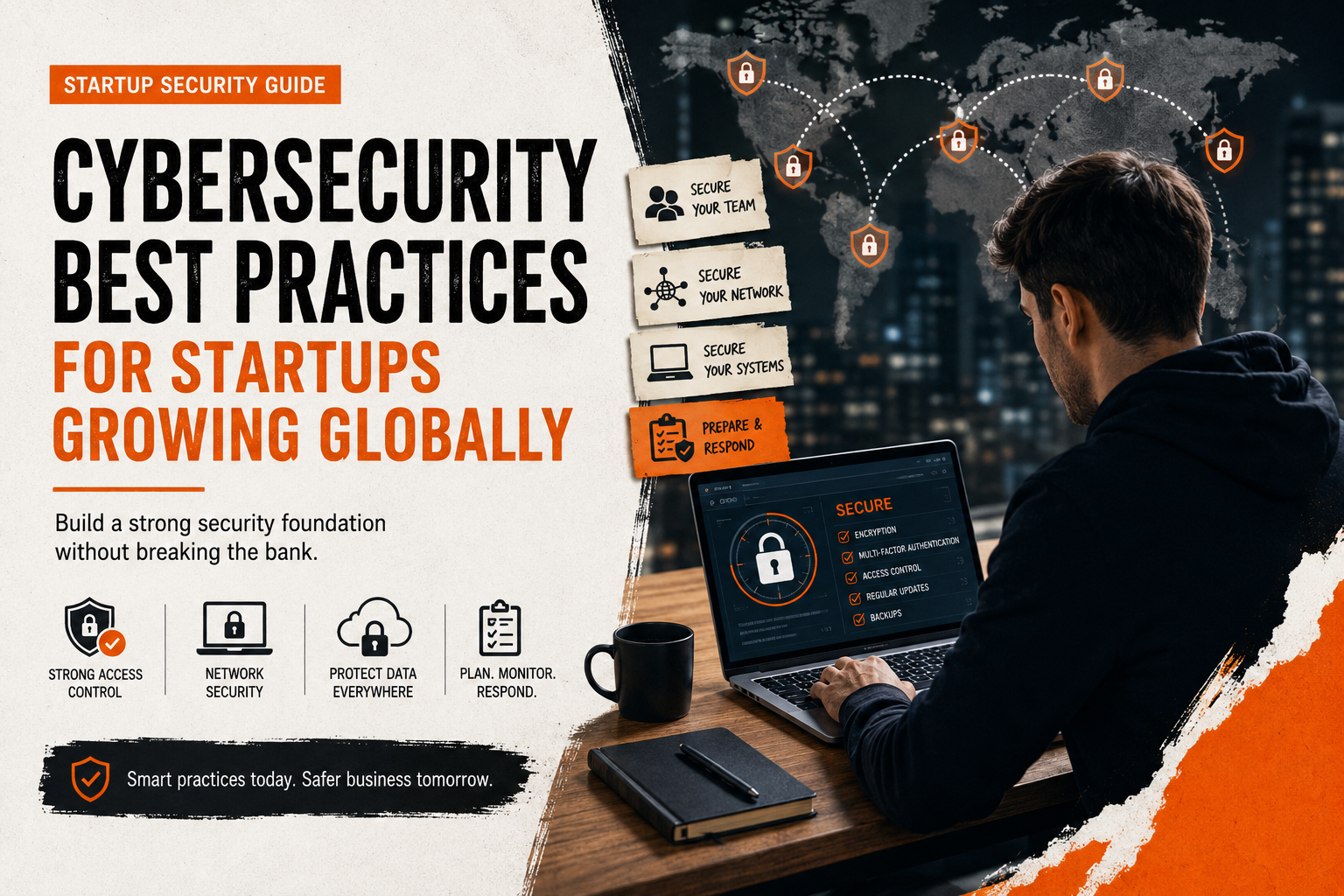
When you're bootstrapping, it's all about the cost of doing business versus the growth of your business. Once your company starts expanding internationally, security risks increase as well – securing your digital assets becomes a basic requirement to keep your company in business. In such a setting, creating strong technical barriers will help protect your business from catastrophic financial losses. Let's look at how to set up a dependable defense system on a tight budget and why cybersecurity best practices should form the backbone of your day‑to‑day operations.
The Financial Context of Data Protection for Young Companies
When constructing your own facilities, every dollar matters. However, a lack of information security can cost much more. The IBM Cost of a Data Breach Report shows that the financial impact of security incidents on small businesses can often be devastating to their survival.
A small company can lose not only money but also the trust of its first global customers. That's why cybersecurity best practices help you avoid devastating upfront costs and build a strong foundation for scaling your product.
Organizing Your Internal Perimeter and Working With Your Team
The quickest way for attackers is to use simple or reused passwords. Access control is naturally reduced when people are working remotely from various parts of the world. The first rule is to have good remote team credential hygiene. This includes the complete prohibition on using the same password across multiple services and frequent changes to access keys.
One requirement is the multi-factor authentication rollout for teams. If an attacker obtains the password to your company's email or admin panel, the 2FA on an employee's mobile device will prevent them from logging in.
Founders must have a clear understanding of each specialist's scope of work. Implement tight controls on access to cloud services, and give everyone just enough access to do their job.
Make sure to pay special attention to your developers. Secure code repository management also requires auditing access tokens and prohibiting the storage of secret keys or passwords in the code itself. These strategies help you implement cybersecurity best practices without the need for costly software.
Network Security and Cybersecurity Best Practices
The foundation of international business is the stable and protected exchange of information. If you're always communicating with servers in other countries, you can minimize the risk of your company's data being stolen by properly configuring network security. It's not necessary to purchase expensive hardware to establish strong barriers; it's just a matter of knowing the best practices.
Each remote employee's laptop or cell phone could be a gateway into your network. Mandatory employee endpoint protection requires enabling full‑disk encryption on devices. If a team member's computer is lost or stolen while traveling, no one can access the files without the master encryption password. Also, set it to auto-update so that any vulnerabilities found are closed on time.
Auditing Internal Traffic and Testing Your Infrastructure
In foreign markets, engineers must evaluate the system's performance in various geographic areas. They typically do this through proprietary or third-party proxy servers. Proxies enable internal audits of network requests, analysis of routing stability, and verification of network neutrality during development.
Startups often choose a reliable, cheap proxy server to cut expenses. This technical solution enables you to safely mask the corporate source of requests while configuring infrastructure and testing global nodes. It allows developers to simulate requests from various regions to check the application's availability and analyze the system's response time, without affecting the internal architecture. When you're following cybersecurity best practices, this type of traffic control is an important component of a resilient network.
Operational Processes and Managing People‑Related Risks
Access rights should be adjusted as the team member joins or leaves. A secure onboarding and offboarding process will make sure that an ex-employee doesn't have access to work chats, client databases, or data stores. Develop basic internal processes: All accounts should be completely closed within 1 hour of a contract's expiration. These are simple but effective cybersecurity tips for businesses of all sizes.
Small businesses use dozens of third‑party tools for analytics, marketing or accounting. However, each new external service introduces an additional risk to your system. One key component of a SaaS vendor risk assessment is to review their privacy policies and determine whether they hold any security compliance certificates. Only select partners that are transparent about their user data protection practices.
International Regulatory Requirements and an Incident Action Plan
If you serve European or American users, you have legal requirements to meet. Get a head start on GDPR and CCPA compliance essentials. The key is to gather only the personal information required to process your application. Strictly adhere to these regulations, as fines for violating them can put any startup business on hold. Finally, knowledge of international legal obligations fills out the picture of international cybersecurity best practices.
Even the strongest of defenses can be breached. That's why your company should have easy-to-use tools that can detect and monitor incidents in real time. If there is suspicious activity, the team should not panic; instead, they should take action.
Data breach response playbooks help to identify the issue step by step, minimize additional information loss, and provide a clear message to customers about the incident. Incorporating such action plans into your product demonstrates to your partners that you are serious about your product's stability. The playbooks are clear examples of how cybersecurity best practices can help save a brand's reputation during significant technical crises.
Comparing Affordable Protection Tools
To make choosing tech tools easier, we’ve matched up affordable solutions to cover your basic infrastructure protection needs. By rolling out these tools, you bring cybersecurity best practices to life without significant capital outlay.
A Checklist for Founders
We've compiled a quick list of actions. Solve them step by step, safeguarding your business as you venture into the world:
- Enable required 2‑factor authentication for all corporate email accounts, task managers and code repositories.
- Allow disk encryption for each team member's laptop.
- For isolated testing of your network architecture and checking platform availability, use trusted proxy servers.
- Establish a simple set of guidelines to follow in the event of technical problems or a compromise of the database.
Remember, security isn't a one‑off task – it's a continuous process of control. Begin taking these steps now, as cybersecurity best practices enable you to dominate global markets with confidence and safeguard your resources from unforeseen threats.