

Dogecoin Rivals in 2026: Shiba Inu, Pepe, Floki and AI Coins
Shiba Inu, Pepe, Floki and AI-linked tokens all compete with Dogecoin in 2026, each on a different front. Here is what each offers and why Dogecoin still holds its ground.
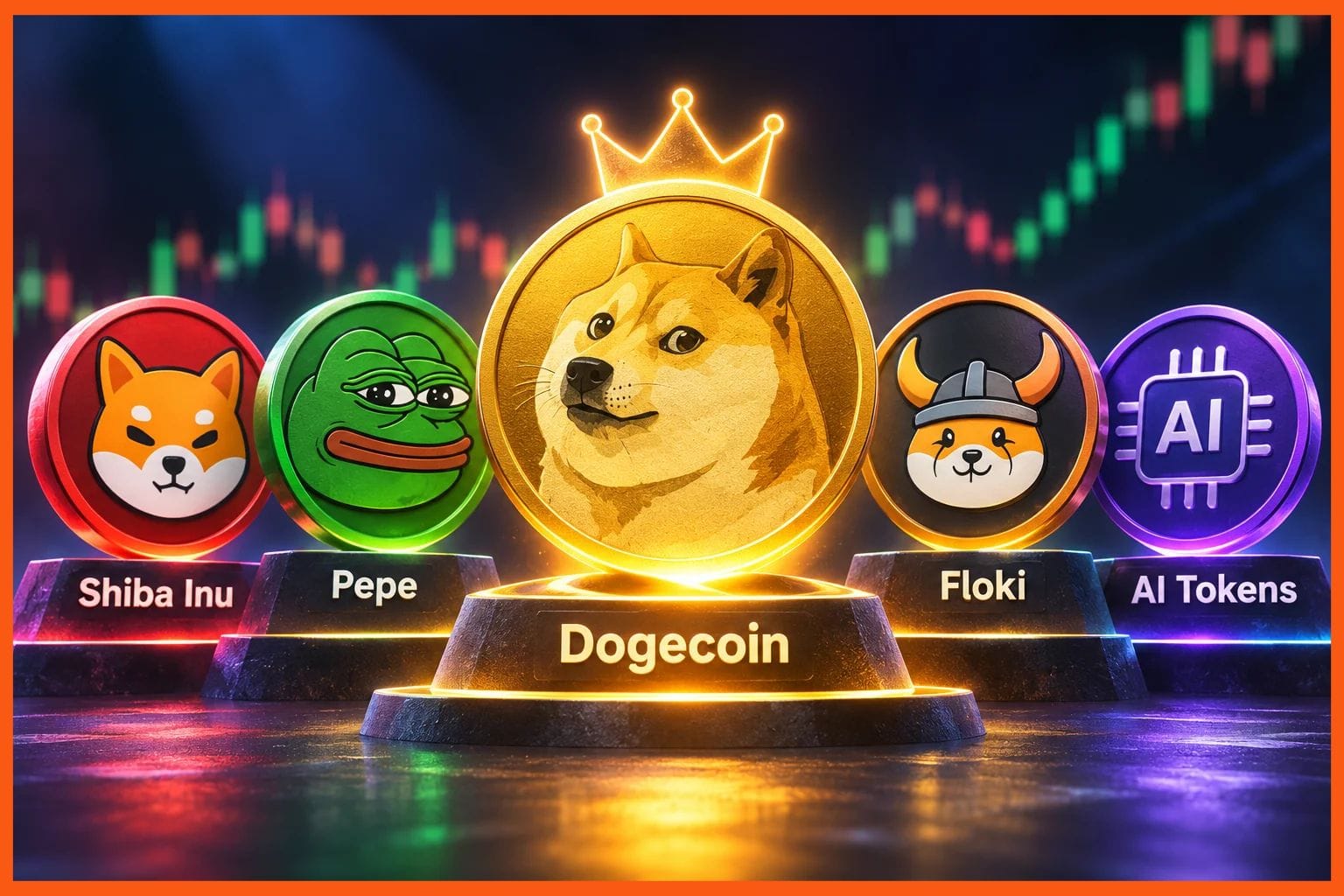
Dogecoin started as a joke and is now the benchmark every other meme coin gets measured against. In 2026 it faces rivals that compete on ambition, speed and promised utility instead of on being funnier. Anyone checking where to buy Dogecoin will find the shelf crowded.
None of them has dethroned it.
Shiba Inu built an ecosystem around the joke
Shiba Inu is the closest thing Dogecoin has to a shadow, and it has stopped behaving like a simple meme. It now has its own layer-2 network, decentralised apps, a decentralised exchange and regular token burns, all run by a very engaged community. The threat to Dogecoin is not technical superiority. It is ambition. Dogecoin leans on cultural inertia and brand recognition, while Shiba Inu keeps courting developers, traders and long-term holders with a story about what comes next. When investors compare the two, the question is no longer which coin is funnier but which one offers more room to grow, and that framing favours the challenger.
Pepe competes on speed, not a roadmap
Pepe has no interest in outbuilding Dogecoin. It competes on reflexes. When markets get bored, traders go looking for irony and chaos, and Pepe has shown how quickly an internet-native token can rise when timing and liquidity line up. Dogecoin can feel stale in those moments. The contest is psychological, and Pepe does not need longevity to win a week of attention.
Floki sells a meme with a product attached
Floki goes where Dogecoin has always refused to go: explicit utility. It markets itself as a meme coin with purpose, with education, gaming and NFT projects and loud branding that blurs product and parody. Dogecoin's strength has been simplicity, but simplicity can read as stagnation next to a rival that talks about progress. Floki does not have to pass Dogecoin in market value. It only has to pull away the holders who want a little more than nostalgia.
AI-driven tokens are the newest challenge
Some of the newest challengers do not wear the meme label cleanly. AI-linked tokens mix content creation, on-chain engagement and self-spreading stories, and they change their pitch as fast as the market changes its mood. Next to them, Dogecoin looks frozen in amber. Investors who like novelty may drift towards these experiments, not because they trust them more but because they feel closer to where digital culture is heading.
Why Dogecoin still holds its ground
Dogecoin is far from obsolete. Its biggest asset is recognition: it needs no manifesto, no onboarding tutorial and no explainer thread, because almost everyone already knows what it is. It is also the largest of these coins by a wide margin, which keeps liquidity deep. In my view its refusal to promise anything is part of the appeal. In a market where every project claims it will change the world, a coin that does not pretend is easier to speculate on than one that may fail to deliver.
Its rivals are betting that culture moves on. Dogecoin is betting that some symbols stay. Which side wins will depend less on upgrades and more on whether the internet still finds comfort in its absurdity.
Meme coins are extremely volatile and can lose most of their value quickly. Traders who use leverage should first read our explainer on crypto futures. For Indian readers, the rules in our report on tougher crypto tax compliance apply to any gains. This is not investment advice. Choosing where to trade matters too, so compare the top crypto trading platforms and read what KYC in crypto asks of you before you sign up.