

Toyota Marketing Strategy 2026: Target Market, Promotion & Branding Explained
Discover Toyota's marketing strategy, target audience, 4Ps marketing mix, advertising campaigns and latest business performance in 2026.


Toyota, the Japanese automotive giant, has a rich history spanning over eight decades. From its origins in the textile industry, Toyota has emerged as one of the world’s leading carmakers, renowned for its commitment to quality and reliability. Toyota sells vehicles in approximately 204 countries and regions through a network of distributors and dealerships.
The company’s focus on innovation and sustainability has led to pioneering developments in hybrid and electric vehicles, contributing to the reduction of carbon emissions.
The company is also known for the Toyota Corolla, which crossed 57 million cumulative global sales in 2026, marking 60 years since its launch in 1966.
Toyota’s market share continues to grow, driven by its emphasis on customer satisfaction. The company has received numerous awards, including being named the world’s most valuable automotive brand and the world’s greenest automaker.
Let's explore Toyota's target audience, marketing mix, advertising campaigns and marketing strategies in detail.
Toyota Target Audience
Toyota Marketing Mix
Toyota Marketing Campaigns
Toyota Marketing Strategy
Toyota Company Statistics: 2026
Particulars | Latest information |
|---|---|
Company | Toyota Motor Corporation |
Founded | 1937 |
Headquarters | Toyota City, Japan |
Industry | Automotive |
Global presence | Approximately 204 countries and regions |
Global vehicle sales (CY2025) | Approximately 11.3 million units |
FY2026 consolidated vehicle sales | 9.595 million units |
FY2026 revenue | ¥50.684 trillion |
Corolla cumulative sales | More than 57 million units |
Key product categories | Cars, SUVs, trucks, hybrids and EVs |
Luxury automobile brand | Lexus |
Note: Calendar-year sales and fiscal-year financial figures use different reporting periods and group definitions. Toyota's FY2026 ended on March 31, 2026.
Toyota Target Audience
Toyota, being a global automotive leader, has a diverse target audience that encompasses people from different demographics, geographic locations, and socioeconomic backgrounds. Toyota caters to a wide range of consumers looking for reliable, quality, and affordable vehicles that meet their needs and preferences.
Demographically, the target market of Toyota includes both men and women of all ages, with a particular focus on young adults aged 18-35. This group is attracted to Toyota’s innovative technology and sleek designs, which cater to their desire for stylish and practical cars. Toyota also appeals to families with children, who prioritize safety and reliability when choosing a vehicle. In recent years, Toyota has also focused on targeting environmentally conscious consumers who seek sustainable and eco-friendly transportation options.
Toyota Geographic Segmentation
Region | Target audience | Marketing focus |
|---|---|---|
North America | Families, professionals and SUV buyers | SUVs, trucks, safety and performance |
Europe | Environment-conscious and urban consumers | Hybrid technology, fuel efficiency and emissions |
Japan | Families, professionals and urban commuters | Compact cars, hybrids and mobility solutions |
India | Middle-income families and professionals | Reliability, SUVs, fuel efficiency and hybrid options |
Southeast Asia | Families and commercial vehicle buyers | Durability, practicality and affordability |
Middle East | Premium buyers and SUV enthusiasts | Performance, off-road capability and durability |
Geographically, Toyota’s target audience is spread across the world, with a focus on developed and emerging markets. In developed markets such as North America, Europe, and Japan, Toyota targets consumers who are looking for premium and high-end vehicles that offer luxury and comfort. In emerging markets such as India and China, Toyota focuses on providing affordable and practical vehicles that cater to the growing middle class.
Toyota also targets consumers based on their lifestyle and values. For example, Toyota appeals to adventure seekers and outdoor enthusiasts with its range of SUVs and off-road vehicles. The company also targets tech-savvy consumers who are looking for innovative features such as voice-activated controls and connectivity options.
Toyota’s target audience is diverse and multifaceted, encompassing people from all walks of life. The company caters to consumers who prioritize quality, reliability, safety, and innovation when choosing a vehicle.
 Sarika Anand

Toyota Marketing Mix
Toyota has established itself as a global leader in the automotive industry by offering innovative products and services that cater to the diverse needs of its customers. One of the key factors that contribute to Toyota’s success is its effective marketing mix, which encompasses product, price, promotion, and place. Let’s take a closer look at Toyota’s marketing mix and how it has helped the company maintain its competitive edge.
Marketing Mix | Toyota's Strategy |
|---|---|
Product | Wide vehicle portfolio, hybrids, EVs, SUVs and luxury vehicles |
Price | Competitive pricing, value-based positioning and financing options |
Place | Global dealership network, distributors and online channels |
Promotion | Television advertising, digital campaigns, sponsorships and social media |

Toyota Product Strategy
Toyota’s product range includes a wide variety of cars, trucks, and SUVs that cater to the needs of different consumers. The company is known for its reliable and high-quality vehicles, which are designed to meet the evolving demands of its customers. Toyota has also focused on developing eco-friendly and sustainable products, such as hybrid and electric vehicles, to appeal to environmentally conscious consumers.
Some of its well-known models include:
- Corolla: A globally recognised sedan and hatchback range.
- Camry: A premium mid-size sedan.
- Fortuner: A popular SUV in several international markets.
- Land Cruiser: An SUV known for its off-road capability.
- Hilux: A pickup truck designed for durability and utility.
- Prius: One of Toyota's best-known hybrid vehicles.
- RAV4: A popular SUV available in conventional and electrified versions.
Toyota Pricing Strategy
Toyota’s pricing strategy is based on offering value for money to its customers. The company’s products are priced competitively, with a focus on providing high-quality vehicles at an affordable price. Toyota also offers various financing options and incentives to make its products more accessible to customers.
Toyota Promotion Strategy
Toyota’s promotion strategy is based on building brand awareness and loyalty through various marketing channels. The company uses a mix of traditional and digital media to reach out to its target audience, including TV commercials, print ads, and social media marketing. Toyota’s marketing campaigns focus on showcasing its innovative technology, safety features, and sustainability initiatives to differentiate itself from its competitors.
Toyota Place Strategy
Toyota’s place strategy focuses on making its products accessible to customers through a network of dealerships and online channels. The company has a strong global presence, with a presence in over 170 countries and regions. Toyota’s dealerships are strategically located in high-traffic areas, making it easy for customers to access its products and services.
The company’s commitment to innovation, sustainability, and customer satisfaction is reflected in its marketing mix, which has played a crucial role in its success.
 Archana Karthikeyan

Toyota Marketing Campaigns
Over the years, Toyota has launched several marketing campaigns that have helped the company build its brand and establish itself as a leader in the automotive industry. Here are some of the top marketing campaigns launched by Toyota:
Let’s Go Places
Launched in 2012, this campaign showcased Toyota’s commitment to innovation and adventure. The campaign featured TV commercials, print ads, and digital content that showcased Toyota's innovative technology and highlighted the company’s range of vehicles that cater to different lifestyles and preferences.
Toyota Let's Go Places 60
Start Your Impossible
Launched in 2017, this campaign was designed to showcase Toyota’s commitment to sustainability and social responsibility. The campaign featured inspiring stories of athletes and other individuals who overcame challenges and achieved their goals with the help of Toyota’s technology and support.
Swagger Wagon
Launched in 2010, this campaign was designed to appeal to families with children by showcasing Toyota’s family-friendly features. The campaign featured a series of viral videos and TV commercials that showcased the Toyota Sienna minivan as a stylish and practical vehicle that catered to the needs of families.
(106) SWAGGER WAGON Official Toyota Music Video HD - YouTube
Let’s Go Hybrid
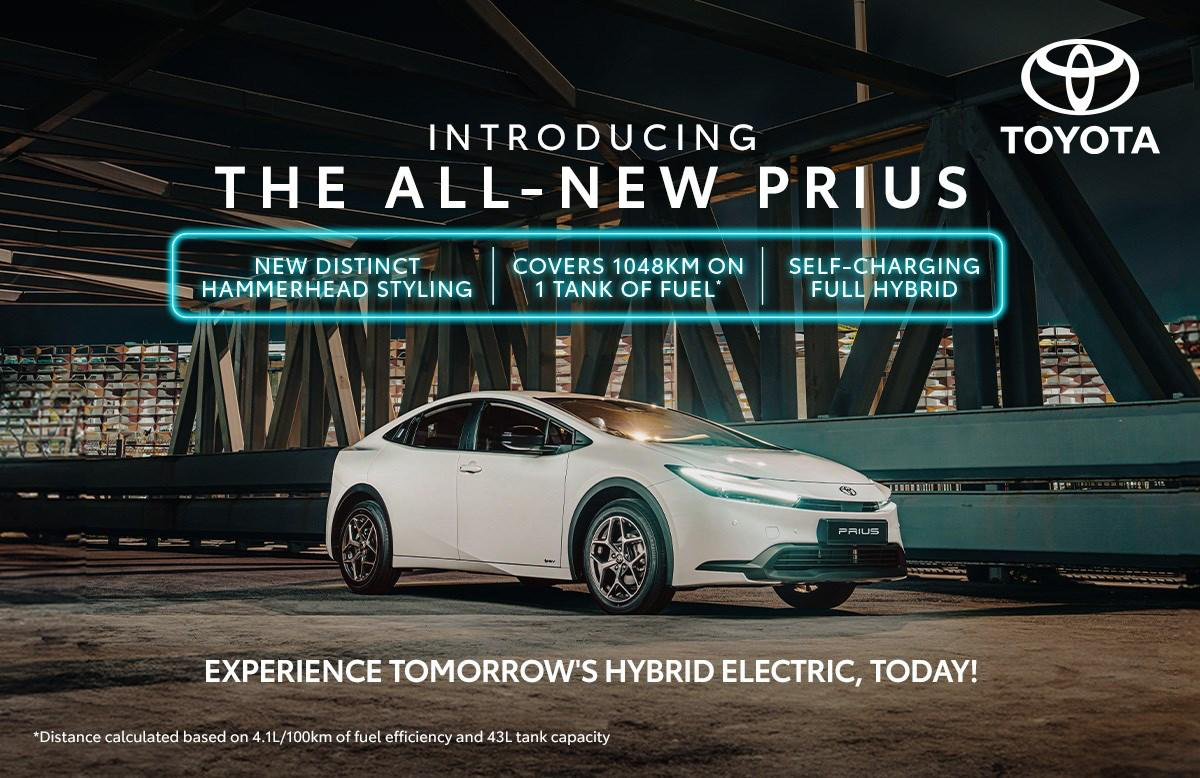
Launched in 2015, this campaign was designed to promote Toyota's range of hybrid vehicles and encourage consumers to switch to eco-friendly transportation options. The campaign featured TV commercials and digital content that highlighted the benefits of hybrid technology and showcased Toyota's range of hybrid vehicles.
Camry Effect
Launched in 2011, this campaign was designed to celebrate the 30th anniversary of the Toyota Camry. The campaign featured a website where Camry owners could share their stories and experiences with their vehicles, creating a sense of community and loyalty among Camry owners.
Toyota - The Camry Effect
These marketing campaigns have played a crucial role in its success, helping it to maintain its competitive edge in the automotive industry.
Toyota's All-Electric Vehicle Campaign (2026)
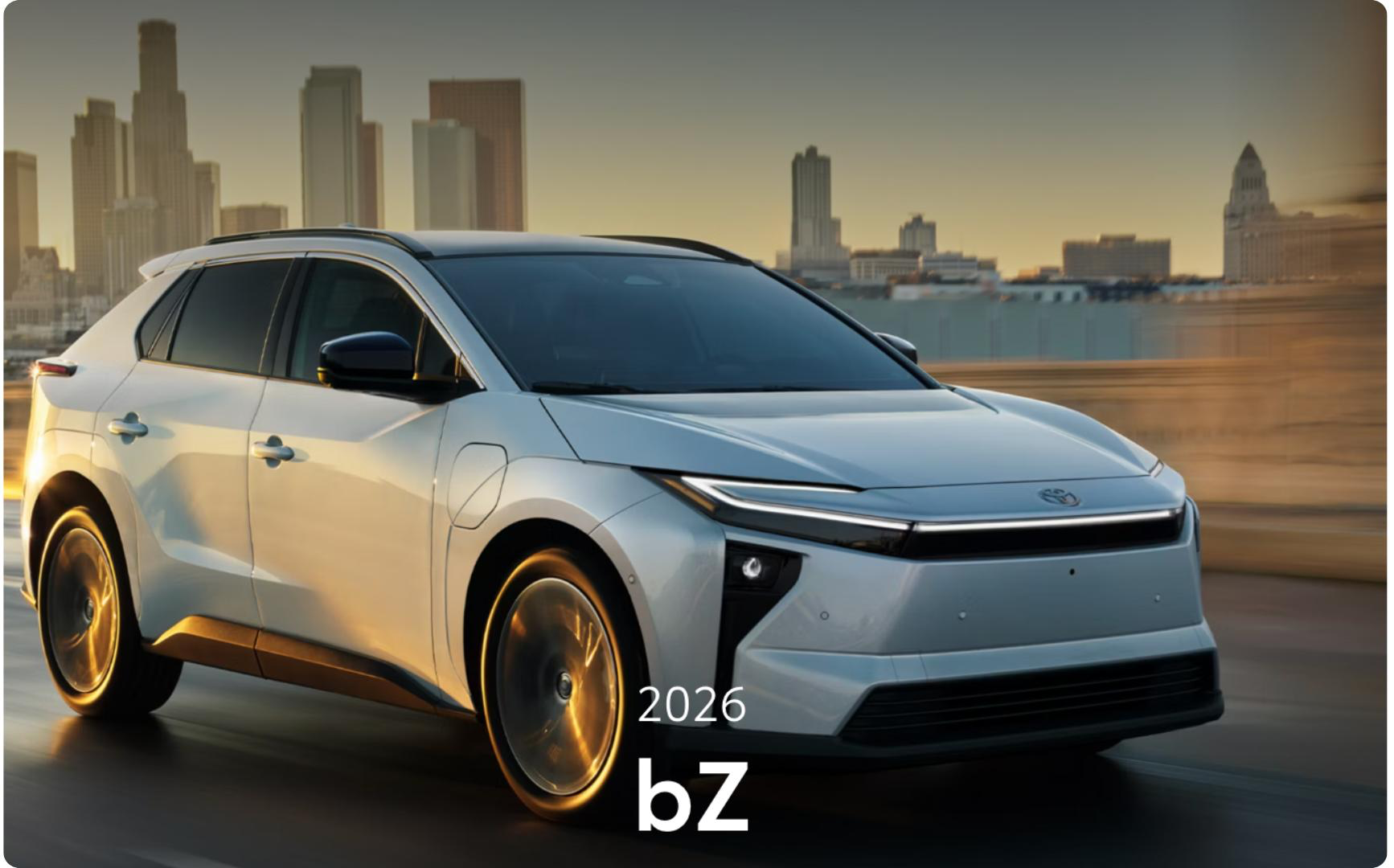
In May 2026, Toyota introduced a new all-electric vehicle marketing campaign in North America.
The campaign focused on making electric mobility more approachable by showing how Toyota's electric vehicle range could fit into everyday life.
Its messaging highlighted intuitive technology, practical engineering and customer convenience.
Rather than focusing only on technical specifications, Toyota used relatable storytelling to encourage customers to experience its electric vehicles.
These campaigns demonstrate how Toyota combines emotional storytelling, humour, product communication and customer participation to build a strong brand identity.
Archana Karthikeyan
Toyota Marketing Strategy
Toyota has established itself as a leader in the automotive industry by using innovative marketing strategies that appeal to a diverse range of consumers. The company’s marketing strategies are designed to showcase its commitment to innovation, sustainability, and social responsibility. Here are the top marketing strategies used by Toyota that have helped the company maintain its competitive edge.
Innovation and Technology
Toyota’s marketing strategy focuses on showcasing its innovative technology and features to differentiate itself from its competitors. The company's products are designed to cater to the evolving needs of consumers, with a focus on safety, reliability, and performance.
Sustainability Marketing
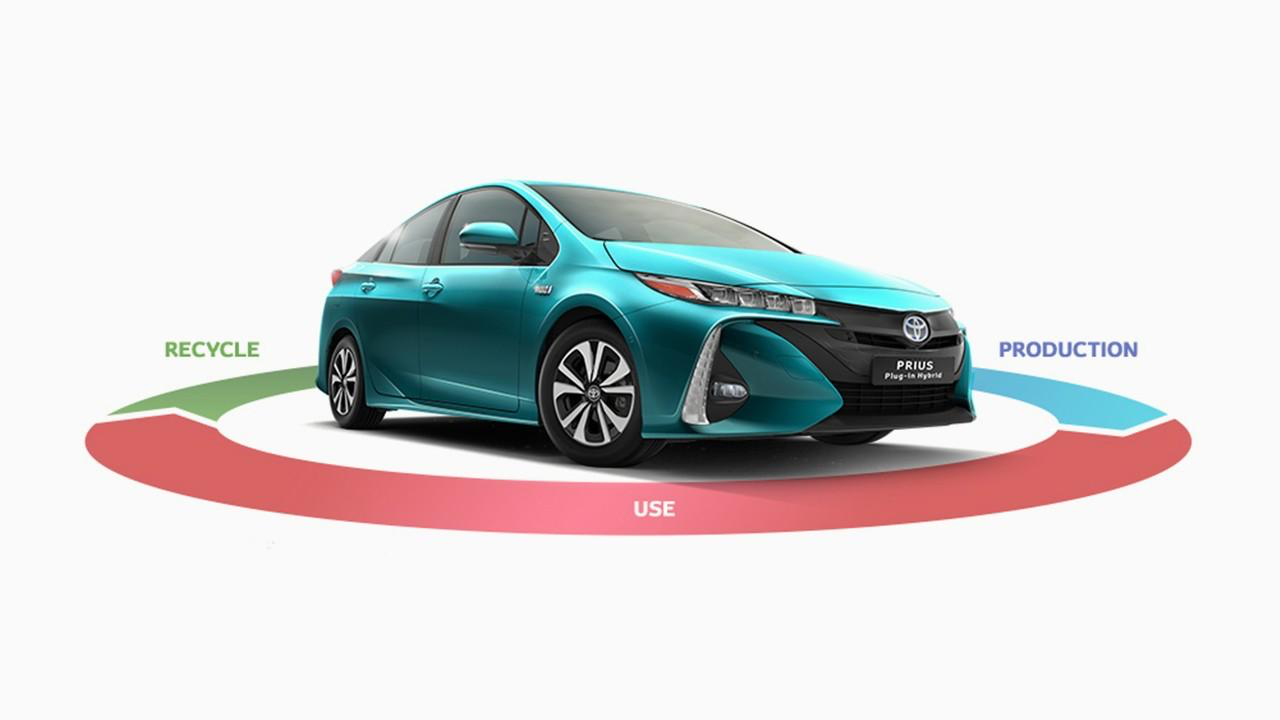
Its commitment to sustainability is reflected in its marketing strategy, which focuses on promoting eco-friendly products and practices. The company’s range of hybrid and electric vehicles is designed to appeal to environmentally conscious consumers, while its sustainable manufacturing practices have helped it to reduce its carbon footprint.
Brand Awareness and Positioning
Toyota’s marketing strategy includes a strong focus on building brand awareness through various channels, including TV commercials, print ads, and social media. The company’s branding efforts have helped it to establish a strong presence in the global market, with a reputation for reliability, quality, and innovation.
The company also uses different positioning strategies for different vehicle categories.
Brand or vehicle | Positioning |
|---|---|
Toyota Corolla | Practicality, reliability and value |
Toyota Camry | Comfort, quality and performance |
Toyota Fortuner | Strength, capability and premium SUV experience |
Toyota Land Cruiser | Durability and off-road capability |
Toyota Prius | Hybrid technology and fuel efficiency |
Lexus | Luxury, comfort and premium experiences |
This segmented positioning allows Toyota to reach different customer groups without diluting its overall brand identity.
Customer Engagement and Brand Loyalty
This marketing strategy focuses on engaging customers through various channels, including social media, customer feedback, and loyalty programs. The company’s customer-centric approach has helped it to build a loyal customer base that trusts and relies on its products and services.
Digital Marketing
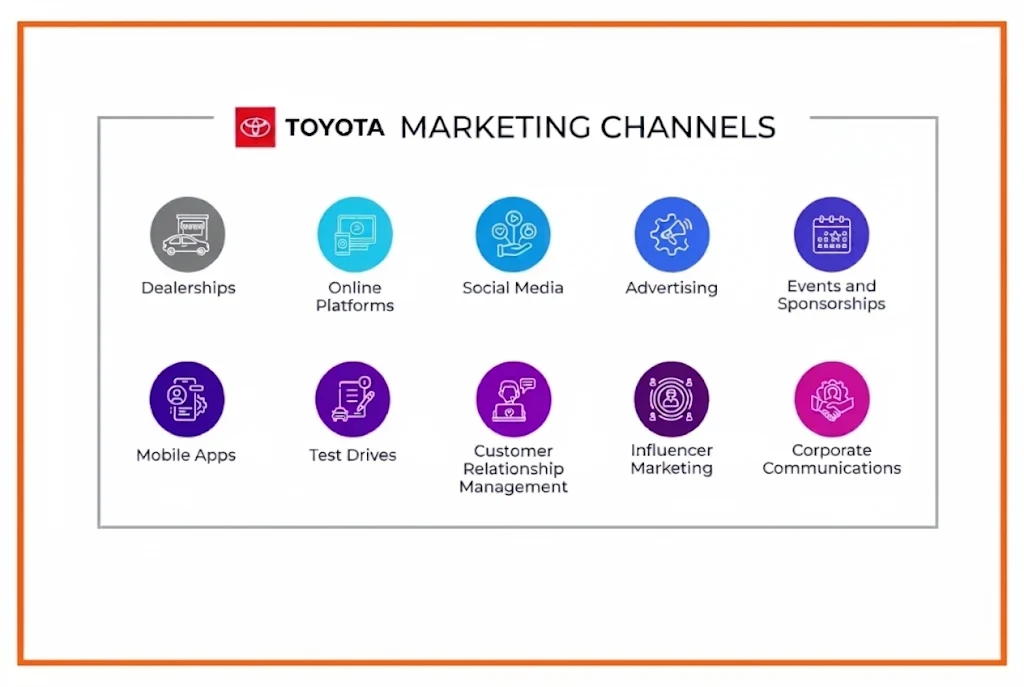
Toyota’s marketing strategy includes a strong focus on digital marketing, with a range of online channels that cater to different audiences. The digital marketing efforts include website optimization, social media marketing, and online advertising, which have helped it to reach a wider audience and generate more leads.
Partnership and Sponsorship
Toyota’s marketing strategy includes partnerships and sponsorships with sports teams, events, and organizations. These partnerships help to build brand awareness and create positive associations with the Toyota brand.
Personalization
Toyota’s marketing strategy includes personalization, with a focus on tailoring its products and services to the specific needs and preferences of its customers. The company’s range of customization options and personalized services have helped it to create a unique and memorable customer experience.
Emotional Appeal
Toyota’s marketing strategy includes an emotional appeal, with a focus on creating ads and campaigns that resonate with consumers on a personal level. The marketing efforts often feature inspiring stories, heartwarming moments, and relatable themes that connect with consumers’ emotions.
Sales Promotions

Toyota’s marketing strategy includes a range of sales promotions and incentives that encourage customers to purchase its products. These promotions include discounts, financing options, and loyalty programs, which help to make Toyota’s products more accessible and affordable to consumers.
Global Market Adaptability
In North America, Toyota markets its trucks and SUVs like the Tacoma and 4Runner by focusing on toughness, durability, and off-road performance. In Europe, the brand emphasizes eco-friendliness and low emissions, promoting its hybrid vehicles to meet strict regulations. In emerging markets like Southeast Asia and Africa, Toyota highlights affordability, fuel efficiency, and reliability, appealing to middle-class families and value-conscious buyers.
Emotional Marketing and Storytelling
Toyota's advertising often focuses on emotions rather than just vehicle specifications.
Its campaigns use themes such as family relationships, personal achievements, adventure, inclusion and freedom.
For example, the Swagger Wagon campaign used humour to connect with parents, while Start Your Impossible focused on determination and human achievement.
This storytelling approach helps Toyota create memorable brand experiences and establish an emotional connection with consumers.
Toyota's Multi-Pathway Electrification Strategy: A Key Marketing Differentiator
One of the most important developments in Toyota's marketing and product positioning is its multi-pathway electrification strategy.
Unlike manufacturers that concentrate primarily on battery electric vehicles, Toyota promotes multiple electrified technologies.
Technology | What it offers | Target customers |
|---|---|---|
Hybrid (HEV) | Combines a petrol engine and electric motor | Customers seeking fuel efficiency without external charging |
Plug-in Hybrid (PHEV) | Supports electric driving with a rechargeable battery and petrol engine | Customers wanting both electric and conventional driving |
Battery Electric (BEV) | Runs entirely on electricity | Customers with access to charging infrastructure |
Fuel Cell Electric (FCEV) | Uses hydrogen to generate electricity | Customers and markets where hydrogen infrastructure is developing |
This strategy allows Toyota to address different stages of the transition towards lower-emission mobility.
Toyota's Latest Business Performance and Market Position (2026)
Toyota's marketing strength is supported by its global sales performance, extensive distribution network and continued investments in vehicle technology.
Here are some important statistics available as of November 2026.
Toyota's FY2026 Financial Performance
Fiscal year ended March 31, 2026 | Consolidated figures
Financial indicator | FY2026 |
|---|---|
Net revenue | ¥50.684 trillion |
Operating income | ¥3.766 trillion |
Net income attributable to Toyota Motor Corporation | ¥3.848 trillion |
Consolidated vehicle sales | 9.595 million units |
Operating margin | 7.4% |
Toyota's revenue increased by 5.5% in FY2026 compared with the previous fiscal year, while operating income declined. This shows why sales growth and profitability should be evaluated separately.
Archana Karthikeyan
Conclusion
Toyota’s marketing strategies have been successful in positioning the company as a leader in the automotive industry. By studying Toyota’s marketing strategies and implementing similar tactics, marketers can improve their marketing efforts and build a strong brand that resonates with their target audience. As the business world continues to evolve, it is essential to stay up-to-date with the latest marketing trends and strategies to remain competitive and succeed in the market. So, let’s take inspiration from Toyota’s marketing strategies and start building our own successful marketing campaigns.
FAQs
Who is Toyota target audience?
Target market for Toyota includes both men and women of all ages, with a particular focus on young adults aged 18-35. Toyota also appeals to families with children, who prioritize safety and reliability when choosing a vehicle.
What are the marketing strategies followed by Toyota?
Here are the marketing strategies followed by Toyota -
- Innovation
- Sustainability
- Brand Awareness
- Customer Engagement
- Digital Marketing
- Partnership and Sponsorship
- Personalization
- Emotional Appeal
- Sales Promotions
What is Toyota promotion strategy?
Toyota promotes its brand through TV ads, digital marketing, social media, and sponsorships. It highlights safety, innovation, and eco-friendliness to build trust and attract customers.
What is Toyota branding strategy?
Toyota’s branding strategy focuses on quality, reliability, innovation, and eco-friendliness. It builds trust with consistent messaging, strong after-sales service, and a global reputation for durable vehicles.
What is Toyota advertising strategy?
Toyota’s advertising strategy blends traditional media (TV, print, outdoor) with digital marketing (social media, YouTube, influencer campaigns). It highlights key values like safety, innovation, durability, and eco-friendliness.
How does Toyota market their products?
Toyota markets its products through a mix of advertising, digital campaigns, sponsorships, and dealership promotions. It uses TV, print, social media, and influencer marketing to reach diverse audiences.