E25 Petrol May be Introduced in Phases by 2029 as Centre Reviews Ethanol Roadmap
The Centre is planning a phased introduction of E21 fuel by 2027 and E25 by 2029, limiting ethanol content to 25%, as per India’s ethanol-blending roadmap. The phased roll-out is intended to ease worries about vehicle compatibility, fuel economy and infrastructural readiness.
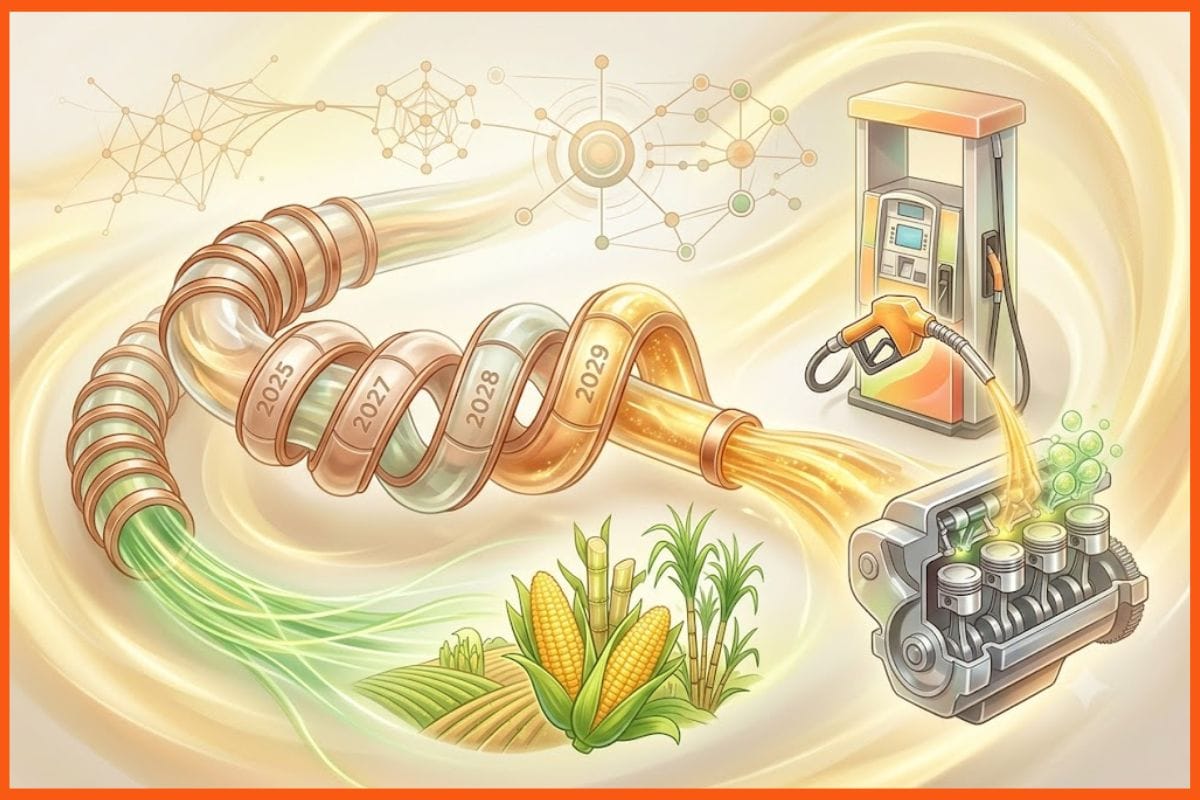
According to the plan that the centre is reviewing, E21 fuel might be available in India by 2027 and E25 by 2029, the following years of the country's ethanol blending programme. This comes at a time when the nationwide introduction of E20 petrol is causing heated debate among motorists.
The issue is being highlighted especially by those with older vehicles as they face problems including fuel economy, compatibility, and increased operating expenses. The administration is considering a gradual shift to higher ethanol mixes instead of jumping straight to them. According to the plan under review, E21 mixed petrol might be introduced by 2027, with E25 following in 2029.
Central Caping Ethanol Blending at 25%
The existing regulatory framework allows for a maximum ethanol blend of 25% in fuel, and according to media sources, the Centre is also considering restricting this blend at 25%. A calibrated and gradual approach will be taken to shift towards increased ethanol blending, according to the report. The automobile industry will have plenty of time to adjust their infrastructure, supply lines, and engines.
This method is designed to ensure that gasoline providers, component manufacturers, and vehicle manufacturers have sufficient time to adjust to higher ethanol mixes before they are implemented nationwide. According to an additional source, the government is cognisant of the valid worries over the compatibility of vehicles and fuel economy in light of the widespread availability of E20 petrol. The plan is not to cause an abrupt change to the environment. The shift will be slow and in sync with what the industry needs.
Ethanol Blending Aims to Reduce Dependency on Fossil Fuel
To lessen its reliance on foreign crude oil, India has integrated the ethanol blending programme into its overall strategy. Conversely, it will generate an increased demand for ethanol that is manufactured domestically. The national supply of E20 petrol has already been attained five years before the planned 2030 goal, thanks to the Centre's efforts.
Consequently, it was one of the most rapid changes made as part of the nation's ethanol blending programme. Indian officials estimate that the country saves about 4.5 crore barrels of crude oil annually as a result of its 20% ethanol blend. Conversely, it contributed to a decrease in outflow of foreign currency of almost INR 1.5 lakh crore. Consumers have expressed concerns about compatibility, vehicle performance, and mileage since the launch.
Therefore, the planned E21 and E25 roadmap is a significant next step for India's fuel strategy going forward. Media outlets have reported that a government summit last week recommended a scientific approach to resolving legitimate consumer issues. Included in this was requesting that OEMs handle customer concerns, even if some of these have been deemed "overblown" by officials.