Ford Reverses AI-Driven Cuts, Rehires 350 Engineers to Boost Innovation
Ford has brought back around 350 veteran engineers after its artificial intelligence-powered quality control systems failed to meet expectations. The carmaker said artificial intelligence could not replace the experience and know-how of veteran engineers.
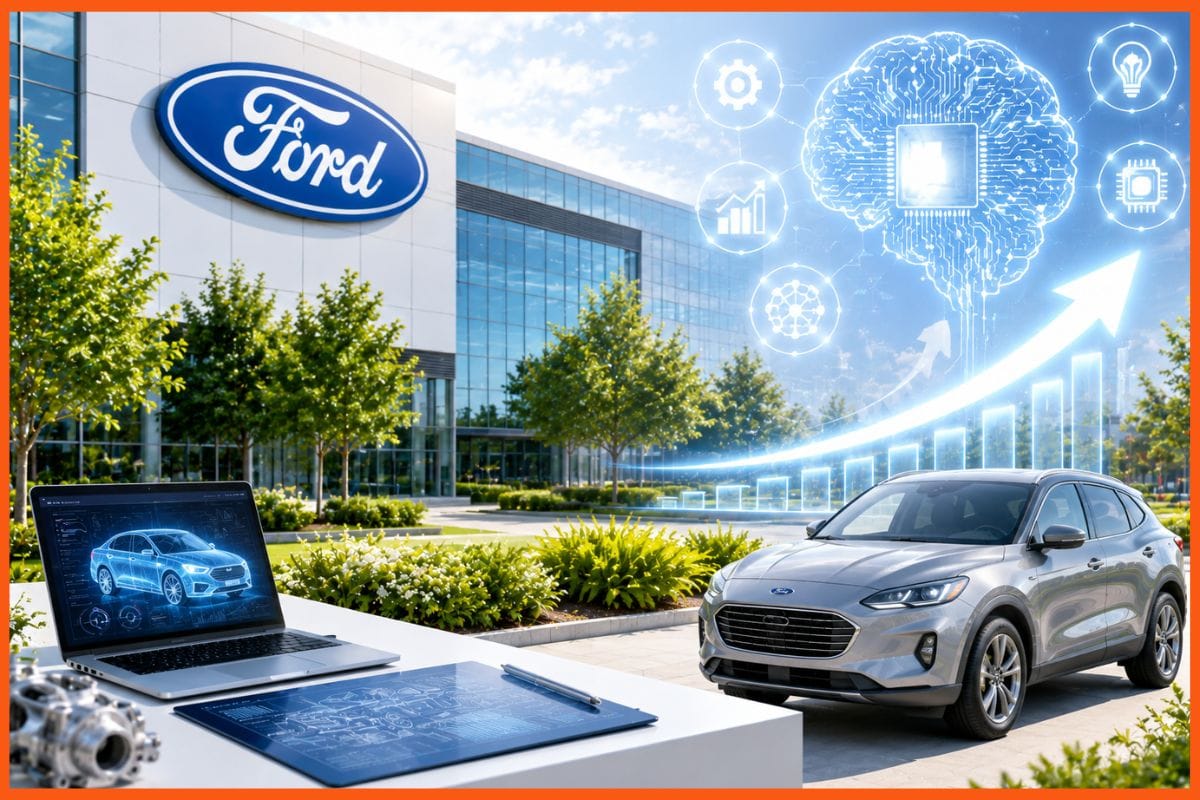
After failing to achieve desired outcomes with its automated quality control systems, American carmaker Ford recently recalled approximately 350 veteran engineers. Ford, like many other multinational corporations, took advantage of the recent surge in artificial intelligence (AI) to streamline internal processes, cut expenses, and increase output.
The carmaker did concede, though, that AI couldn't replace human expertise when it came to ensuring meticulously built vehicles. Ford VP of vehicle hardware engineering Charles Poon said that the corporation ought to have valued the expertise of its seasoned engineers.
AI an Interesting Tool But Can’t Outplace Human: Poon
In an interview with a news source, Poon said that AI is great but that it relies on high-quality training data to perform well. In addition, he brought up the fact that Ford had neglected its most experienced engineers, who had been with the company for several product cycles, for far too long. The automated tools, according to Poon, were lacking in the practical knowledge and experience of senior engineers. Unfortunately, many of these professionals had already left the organisation before their knowledge could be utilised to enhance the AI systems.
According to his remarks, the company was under the impression that it could automate the production of a high-quality product by just incorporating AI and feeding it its design specifications. This comes after last year's announcement by COO Kumar Galhotra that the corporation was rolling out AI system-wide in its industrial operations. Ford deployed over 900 AI-enabled cameras throughout its production facilities as part of its AI drive, with the goal of early detection of quality concerns and reduction of supply disruptions.
Ford Putting Quality Ahead of Technology
As part of a larger reorganisation, Ford is putting greater emphasis on quality. After Doug Field, the head of electric vehicles, left the firm, Galhotra took over as head of a new unit called Product Creation and Industrialisation. This unit combined the digital, design, and electric vehicle teams with global industrial operations. A primary goal of the reorganisation was to hasten the rollout of new car models for 80% of Ford's North American portfolio by the year 2029. Even though Ford won the JD Power award, it is still the most recalled American carmaker.
Galhotra stated that the recall data are more of a historical indicator of quality than a current one and that the numbers should naturally rise as the proportion of the fleet manufactured using the new method increases. Even as Ford is rehiring former employees, another American automaker is taking heat for how it handles artificial intelligence and its employees.
General Motors has come under fire from labour groups following the layoff of over 1,000 employees and the introduction of fifty new robot units at its main assembly facility in Detroit. The carmaker justified the installation of the dozens of robots by saying they were essential to the plant's automation strategy. These robots will help the firm to remain competitive and will also improve "safety and ergonomics" for the employees.