

India Proposes 5-Year Extension in Vehicle Life for EVs, Hydrogen and CNG Cars
India’s MoRTH has proposed to extend the operational life of electric, hydrogen and CNG vehicles by five years by revisions to the Central Motor Vehicles Rules, 1989. The move might help save ownership costs, boost car residuals and encourage cleaner mobility.
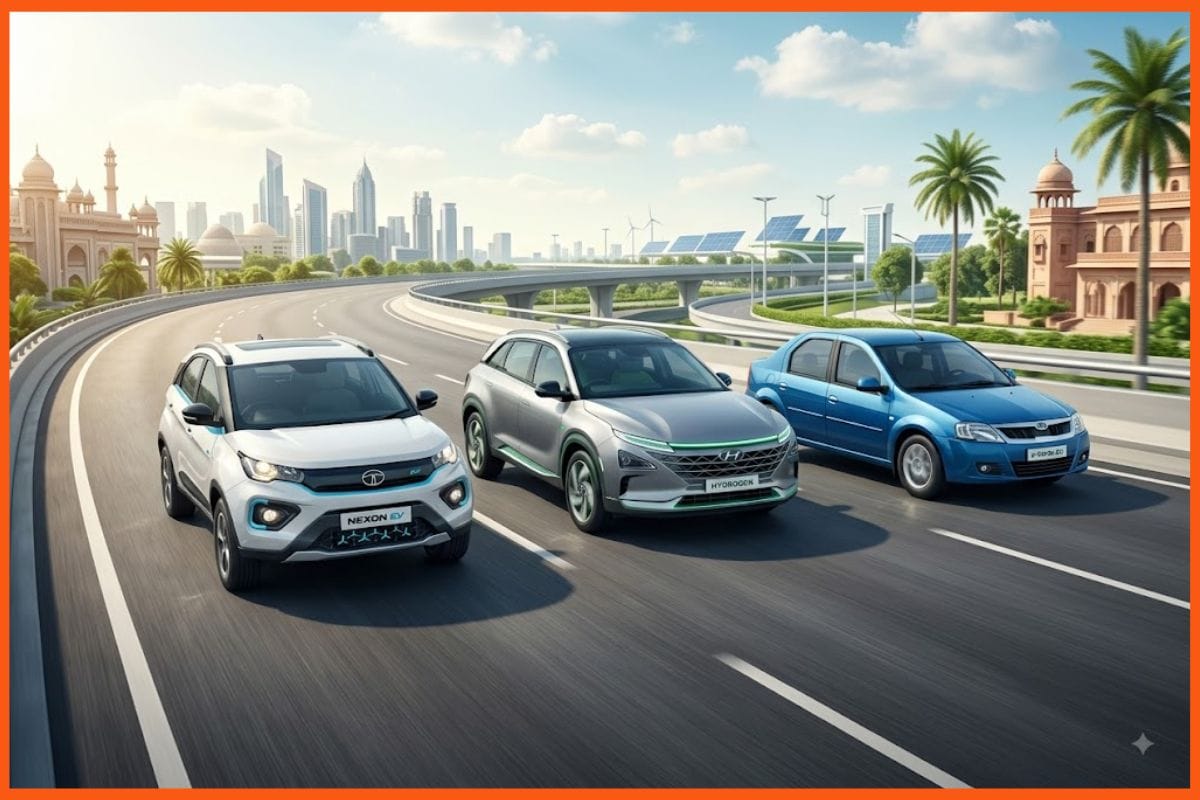
Updating the Central Motor Vehicles Rules, 1989, the Ministry of Road Transport and Highways (MoRTH) has put out new guidelines. This bodes well for a more digital transportation ecosystem and greener modes of transportation.
Among the goals of the proposed notice is the simplification of regulatory procedures and the potential direct benefit to electric vehicle owners, operators of commercial fleets, and producers of automotive components. One of the most noteworthy suggestions is extending the operational life of cleaner-fuel vehicles by five years. This could greatly enhance the economics of green mobility in India.
Proposed Amendments to Act as a Catalyst to EV Owners
An extra five years of usable life might be granted to vehicles that run on electricity, hydrogen or compressed natural gas (CNG) under the proposed change. For commercial operators and fleet owners, the concept holds special importance, as the success of their businesses is intimately linked to the replacement cycles of their vehicles. Improving residual values, lowering ownership costs, and bolstering the case for shifting away from fossil fuel-powered fleets could be achieved by extending the useable life of cleaner automobiles.
Having a longer lifespan could be a practical inducement, along with purchase subsidies and tax benefits, for India to achieve its goal of wider use of electric vehicles and other fuels. National Permits, needed by commercial vehicles travelling across more than one state, have also been suggested by MoRTH as a completely digital structure. Permitting, approvals, and associated procedures would be conducted totally online if this were to be put into effect. The change is anticipated to alleviate a lot of the administrative load that has long been connected with interstate transport operations by decreasing paperwork, expediting approvals, and so on.
Components Makers to be Included in TCF
One more significant proposal is to include makers of automobile components in the trade certificate framework (TCF). Vehicle manufacturers and dealers are the primary recipients of trade certifications at the present time. Government officials hope to streamline the testing, shipping, and validation of automotive components by enlisting component makers in the programme. With India's growing ambitions to become a global leader in automobile and component production, this shift might be very advantageous for the country's economy.
All things considered, the suggested changes point to a more expansive policy trajectory with two main objectives. The first step is to hasten the transition to zero- and low-emission automobiles. As a second point, streamlining regulatory procedures through digitisation will aid companies. From a total cost of ownership standpoint, electric, hydrogen, and compressed natural gas (CNG) vehicles may become more appealing as a result of the planned increase in vehicle life. The transportation and manufacturing sectors might benefit from digitised permits and simplified certification procedures, nevertheless.