India’s Quick Commerce Market Set to Reach $90 Billion by FY2031
India’s fast commerce industry is anticipated to touch $90 billion by FY2031 from $13 billion in FY2026, Google and Redseer Strategy Consultants said. Metros will be responsible for more than 60% of incremental growth, with non-grocery categories experiencing strong rise.
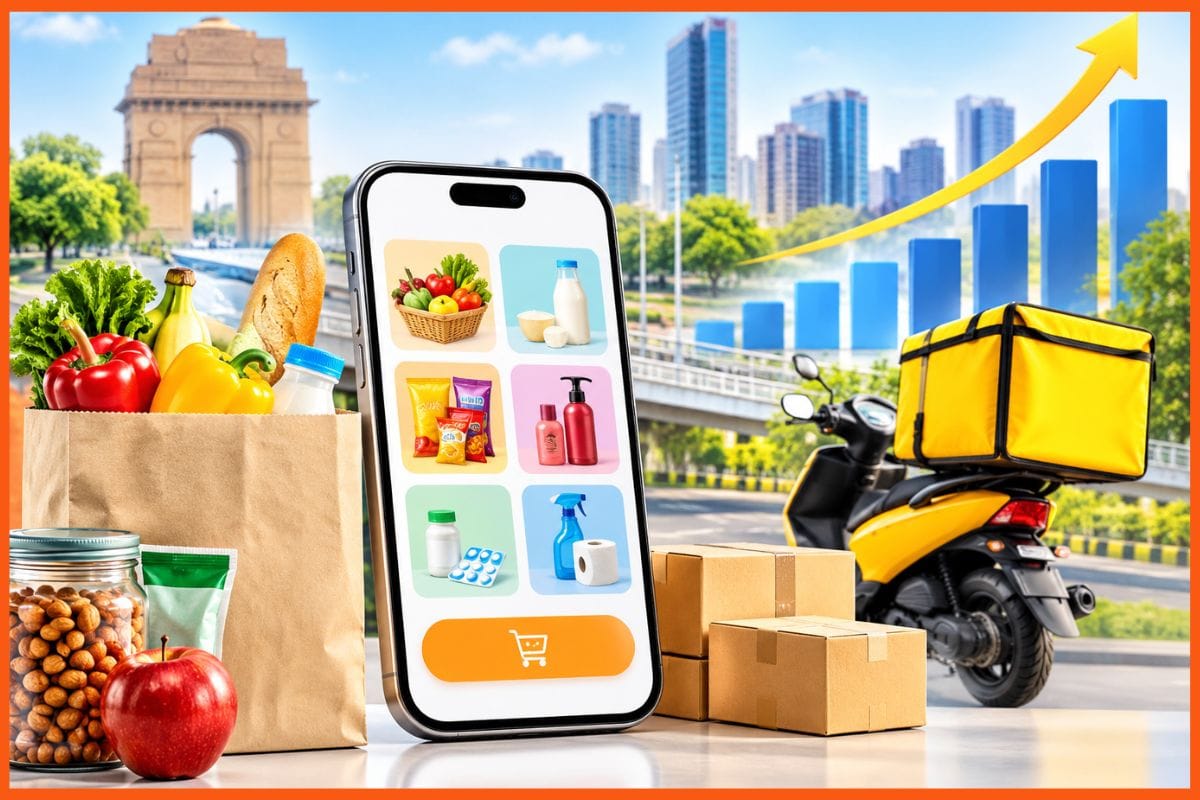
Research by Google and Redseer Strategy Consultants predicts that the Indian e-commerce market will increase from $13 billion in FY2026 to $90 billion in FY2031 and surpass 100 million users per month for transactions. Already, the momentum is quite high in the foreseeable future. Approximately 18% of all online festive spending will come from quick commerce sales, which are predicted to increase by 110% year-on-year (y-o-y) this holiday season.
The paper "Think Quick Commerce: Unlocking the $90B Opportunity" states that the next phase is dependent on two fronts. First, stronger unit economics and customer trust in non-metros, and second, larger planned grocery baskets and non-grocery categories in metros.
Metros Main Contributors of this Mammoth Growth
Up until FY31, over 60% of the incremental growth will be driven by metros. The projected increase in quick commerce's proportion of metro retail expenditure is from 6% to 20-23%, and the projected increase in metro users is from 28 million to nearly 50 million. Still, no big retail category has achieved a penetration rate of more than 15%. Bulk packaging, value pricing, and reorder nudges will help platforms transition from top-up orders to monthly pantry replenishment.
Another option for metro riders is non-grocery. In the categories of personal care, home necessities, electronics, and cosmetics, the market is anticipated to expand from $3 billion to $21-27 billion. That calls for more selection through shopfront partnerships and long-tail dark stores, better authentication and replacement guarantees, and discovery assistance. With 55-60 million estimated monthly transacting users by FY2021, fast commerce can reach about 200 million online buyers across over 300 cities outside of metros.
Upcoming Challenges of QComm Sector
Fast commerce is already well-known to more than 95% of those who have never used it. Trust, smaller baskets, and worries over perishability are still obstacles. Flexible delivery slots to reduce basket fees, quick refunds on fresh food, regional products, trial packs, and regional-language content are suggested in the report, as these customers often prioritise pricing above instant delivery. The remaining expenditure does not adhere to the recognised product in minutes rationale, according to Kushal Bhatnagar, a partner at Redseer Strategy Consultants, making the journey to $90 billion more difficult.
He elaborated by saying that whereas familiarity, price, and pack size dictate a monthly food shop, comparison, reviews, and more reassurance may control a purchase of beauty products or technology. The size and economics of the market will be determined by the decisions made by platforms regarding the areas where speed is still important, he noted. Platforms and brands, according to the report, will need to modify their business strategies to cater to regional tastes if they want to continue growing. Meanwhile, they should focus on establishing credibility and bridging the gap between online product discovery and speedier local fulfilment.