Japanese Publishers Call on OpenAI to Halt Use of Their Content for AI Training
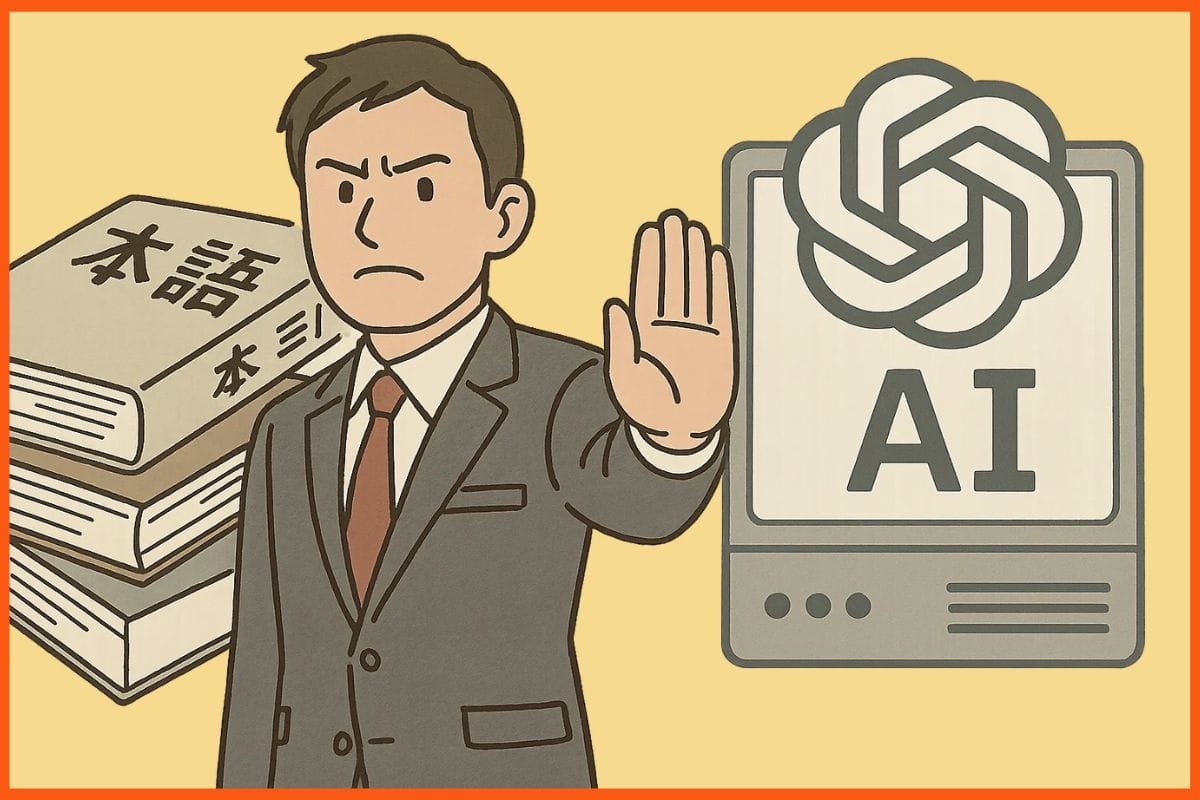
According to a TechCrunch story, OpenAI has received a letter from the Content Overseas Distribution Association (CODA), a Japanese trade association that represents publishers including Studio Ghibli, requesting that it cease utilising their intellectual content to train AI models without their consent.
The letter is released at the same time as OpenAI launches its new video-making tool, Sora. In addition to warning that legal action may ensue if OpenAI does not cooperate, CODA has requested that the firm refrain from using its members' content for machine learning without prior consent.
Studio Ghibli Operations Severely Affected by OpenAI
OpenAI's picture and video tools have had a particularly significant impact on Studio Ghibli. Following the March release of ChatGPT's image generator, a craze became widespread where users generated and shared pictures of themselves or their pets in the Ghibli style. Even Sam Altman, the CEO of OpenAI, followed suit by altering his X profile photo to a Ghibli-esque representation of himself.
Public interest in OpenAI's tools increased as a result of the trend's promotion. But Hayao Miyazaki, a co-founder of Studio Ghibli, has long criticised AI-generated art. The report claims that in 2016, he was "utterly disgusted" and referred to an AI-generated cartoon as "an insult to life itself."
OpenAI on a Radar of Many Publishers
The growing controversy around OpenAI's usage of copyrighted content is exacerbated by CODA's lawsuit. In order to train its AI on copyrighted content first and address concerns subsequently, the corporation has frequently adopted the "ask forgiveness, not permission" strategy. Due to similar concerns, OpenAI has previously been sued by a number of significant media outlets.
According to the Associated Press, OpenAI was sued in November 2024 by organisations such as CBC/Radio-Canada, Globe & Mail, Postmedia, Torstar, and The Canadian Press. Millions of OpenAI articles were allegedly utilised to train ChatGPT without permission, according to the report. Later, a US federal judge permitted The New York Times and others to continue their legal action against Microsoft and OpenAI. A lawsuit was also brought by eight US newspapers, including the New York Daily News, Chicago Tribune, Orlando Sentinel, Denver Post, and others, alleging that their copyrighted material was used without permission to train Microsoft's Copilot and ChatGPT.
According to the report, there is currently no clear legal guidance regarding whether training AI on copyrighted material constitutes infringement, and US copyright law has not been revised since 1976. Anthropic, an AI business, was punished for unlawfully stealing books for training, but a US judge recently decided that the company did not violate copyright laws by using the books to train its model.
|
Quick Shots |
|
•Japanese
publishers have urged OpenAI to stop using their copyrighted content for AI
training without permission. •The
Content Overseas Distribution Association (CODA) — representing major
publishers including Studio Ghibli — sent a formal letter to OpenAI. •CODA
warned that legal action may follow if OpenAI continues using members’
intellectual property without prior consent. •The move comes as OpenAI launched
its AI video generation tool, Sora, further intensifying global copyright
concerns. |