Government Imposes Curbs on Bulk Diesel and Petrol Purchases Through Retail Fuel Stations
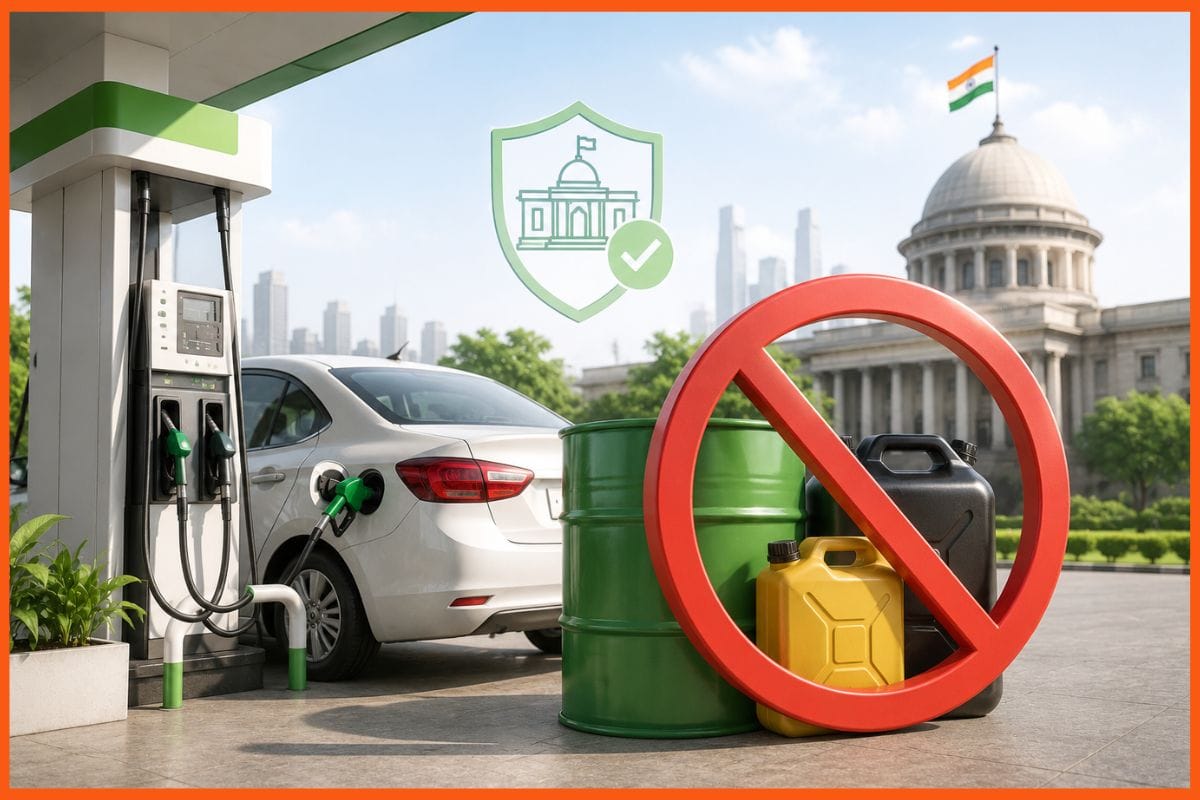
Retail petrol stations are no longer allowed to sell petrol and diesel to businesses, institutions and industries due to a government ban. Also, due to geopolitical tensions and worries about interruptions to global petroleum supply lines, it has limited diesel sales to 200 litres per client or vehicle each day. Diesel demand has surged in some areas due to wholesale buyers taking advantage of cheaper pricing at retail gasoline stations. Hence, prompting the government to impose limitations that will last for up to 90 days.
Why Government Has Put a Ban?
Fuel retailers and oil marketing companies were instructed by the ministry of petroleum and natural gas to limit their bulk purchases from retail outlets. Further, they were asked to prevent the diversion of supplies meant for ordinary consumers in the Motor Spirit and High Speed Diesel (Temporary Regulation of Supply through Retail Outlets) Order, 2026.
According to the government, this action was made necessary due to the current geopolitical situation that is influencing some parts of the world and has a negative effect on shipping logistics, the availability of petroleum goods, and international petroleum supply chains. Motor Spirit (petrol) and High Speed Diesel (diesel) are seeing unusually high sales at retail outlets in some regions of the country, according to the notice. This is because institutional, commercial, and industrial buyers are moving their purchases to retail outlets because of the price differential between retail and bulk sales.
|
Some Interesting Facts of the Story |
|
1.The restrictions highlight how fuel pricing
differences can significantly alter purchasing behavior across industries. 2.Similar fuel-control measures are generally
introduced during periods of energy security concerns or supply-chain
disruptions. 3.India imports more than 80% of its crude oil
requirements, making global geopolitical developments a key factor in
domestic fuel policy. |
Government Putting a Strict Scanner on Bulk Procurement
Authorities were concerned that supplies meant for regular people would be diverted if goods were purchased in bulk through retail outlets. Consequently, the ordinary man may experience disruptions to vital services and local shortages. The disparity between the costs of retail and bulk fuel has been growing, prompting the regulations. The price of diesel in Delhi ranges from INR 134.50 per litre for bulk supplies to INR 95.20 per litre for retail pumps.
Industrial users kept paying rates tied to the market, while state-owned oil companies kept retail prices low to protect consumers from rising costs after the West Asia crisis earlier this year. Fuel is now mostly purchased from retail shops by large users, such as industries and telecom tower operators, due to the price discrepancy. It has also caused a shift in customer spending away from privately owned petrol stations that charge higher prices and toward public sector outlets. To keep gasoline supply consistent nationwide, avoid stockpiling and diversion, and make sure everyone has access to diesel and petrol, the government stated these steps were needed.
|
Quick Shots |
|
•Centre has restricted bulk purchases of petrol and
diesel through retail fuel stations across India. •Diesel sales have been capped at 200 litres per
customer or vehicle per day at retail outlets. •The restrictions will remain in force for up to 90
days. •The move comes amid geopolitical tensions and
concerns over global fuel supply disruptions. |