
XAUH Gold Coin: What a Bullion House Built for the Dollar Saver
| Herculis Gold Coin (XAUH) — Profile | |
|---|---|
| Record Type | Gold-Backed Payment Token / Real-World Asset (RWA) |
| Token Name | Herculis Gold Coin |
| Ticker | XAUH |
| Issuing Entity | Herculis Tokens SA |
| Issuer Jurisdiction | Republic of Panama |
| Parent Group | Herculis Group: Swiss investment boutique founded in 2009; offices across Switzerland and Liechtenstein |
| Herculis Group — Entities (6) | Herculis Partners SA · Herculis Fiduciaires AG · Herculis Guardians SA · Herculis Advisors AG · Herculis Trading SPC · Herculis Tokens SA |
| Herculis Tokens SA Website | https://herculis.ch/herculis-tokens-sa |
| Herculis Group Website | https://herculis.ch |
| Herculis Gold Coin Whitepaper | https://xauh.gold/whitepaper.pdf |
| Product Category | Payment crypto token fully backed by physical gold bullion |
| Backing Ratio | 1 XAUH = 1 gram of 999.9 fine gold |
| Gold Standard | LBMA-certified, 999.9 purity |
| Refinery | PX Precinox SA, Neuchâtel, Switzerland |
| Storage Location | Secure vaults in Switzerland |
| Custodians | Herculis House, Brink's, Loomis |
| Insurance | Gold reserves fully insured at fair-market value |
| Verifier | KPMG SA — published agreed-upon-procedures verification; 28 Aug 2026 report under Swiss Auditing Standard 920 |
| Proof-of-Reserves Mechanism | Published on-chain via Chainlink decentralized oracle network; verifiable by holders on www.xauh.gold |
| Blockchain / Network | Originally JAMTON.NETWORK — Layer 2 protocol linking TON and Polkadot; XAUH contracts currently identified on Ethereum, TRON and TON |
| Regulatory Compliance | The issuer states that Herculis Tokens SA operates in accordance with Panama AML/CFT legislation and the guidelines of the Financial Analysis Unit (UAF — Unidad de Análisis Financiero) of the Republic of Panama; this reflects the issuer's stated legal position rather than an independent regulatory determination |
| Tokenization Fee | 0.3% (for KYC-verified customers converting own LBMA bullion into XAUH) |
| Transfer Fee | 0.02% |
| Redemption Minimum | 500 XAUH (500 grams of fine gold), in multiples thereof |
| Redemption Fees | 1% for redemptions of 1kg or more; 3% for redemptions of 500g; transport costs to investor's location not included |
| Confirmed Purchase / Trading Channels | Direct purchase via www.xauh.gold · BTSE (CEX) · Biconomy.com (CEX) · STON.fi (TON DEX) · Uniswap V2 (Ethereum DEX) |
| Divisibility | Divisible into increments as small as 0.01 gram of fine LBMA 999.9 gold |
| Trading Availability | 24/7, 365 days a year, on listed global DEX and CEX exchanges |
| Payment / Use Applications | Direct transactions · P2P transfers · digital wallet integration · trading on exchanges · collateral for loans · stable asset positioning in volatile markets |
The XAUH coin is a Swiss gold-backed payment token and a real-world-asset play, each unit redeemable for one gram of vaulted 999.9 bullion. Its pitch is access: by dividing metal to a hundredth of a gram and moving it for cents, XAUH brings bullion within reach of savers whom dealer minimums and storage costs have long kept out.
XAUH digital gold: a gram you can send like a message
XAUH digital gold begins with a simple observation about friction. Physical bullion loads storage, insurance and dealer premiums onto every purchase, often adding over a tenth to the spot price before a saver owns anything, and the units on sale assume a buyer with a spare few thousand dollars. Herculis Tokens SA, the issuer, set out to strip that cost away by minting XAUH gold against vaulted Swiss bullion and letting it trade in fractions. Each unit of XAUH gold answers to one gram of 999.9 fine bullion; the smallest slice of XAUH gold a buyer can hold is a hundredth of a gram, roughly a dollar. The pitch for XAUH digital gold is not that gold changed but that ownership did: XAUH gold can be bought in sums that physical bullion has never accommodated.
The distinction the issuer draws is between speculation and access. XAUH digital gold is sold less as a bet on price direction than as a way to accumulate a scarce asset in exact, verifiable increments, part of the broader XAUH RWA effort to render bullion programmable. That framing shapes the mechanics: supply is uncapped but never loose, since a unit of XAUH appears only when a matching gram enters the vault and vanishes when a holder redeems. The result is digital gold that expands with its reserves rather than with demand, a tokenised gold whose float is dictated by the vault rather than by the appetite of traders.
A second observation sits underneath, about who is priced out. A saver setting aside a few dollars a week has no sensible route into physical gold, because the dealer's minimum and markup swallow the position before it compounds. XAUH digital gold is engineered for that buyer, and the apparatus behind the gold-backed token, cheap settlement, fine divisibility, published reserves, follows from serving small, repeated purchases rather than one large allocation. It is a narrow ambition the firm owns, and XAUH gold is aimed there deliberately.
XAUH: the case a Swiss house is making
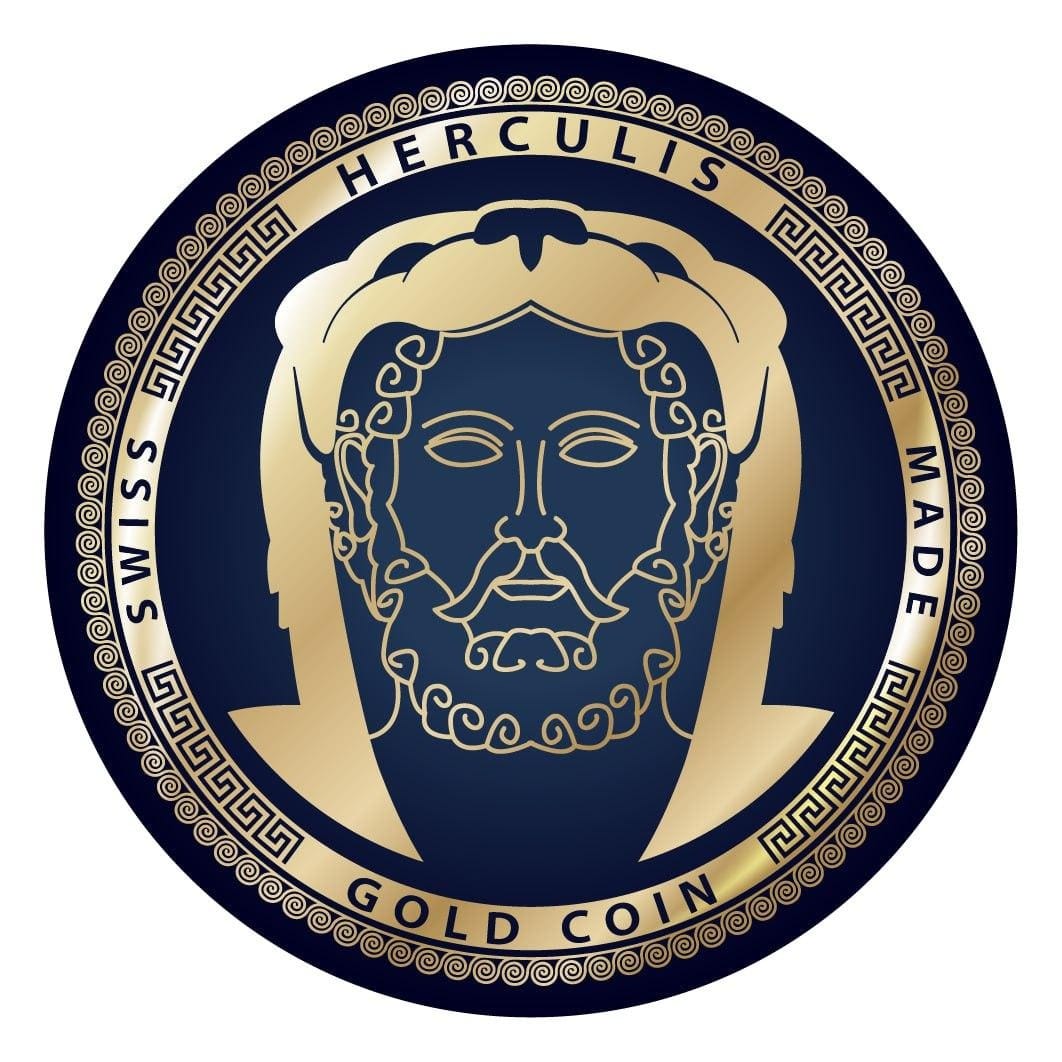
XAUH is not the product of a technology startup. It comes from the Herculis Group, a Porrentruy investment boutique that spent more than fifteen years in asset management, fiduciary work, bullion trading and custody before establishing a dedicated tokenisation arm in 2024. That arm began collaborating with the JAMTON.NETWORK team late that year and issued its first tokens in 2025, backed at the outset by roughly 3.5 kilograms of gold (~15.5 kilograms today). The lineage is the argument: a metals house that walked onto a blockchain, rather than a software project that went looking for a commodity to wrap.
That heritage is meant to answer the question skeptics ask first, which is who is holding XAUH gold. The XAUH Herculis reply is that the same people who held it for private clients now hold it behind XAUH gold, and that XAUH is therefore a claim on gold with a custodian history rather than a promise with a website. Whether that reassurance reaches a retail buyer who never heard of the group is the open question, but the provenance is real, and it is the strongest thing the gold-backed token has going for it.
The order of events matters. Most tokenised gold ventures begin as software and hunt for a bullion partner; the sequence here ran the other way, from vaults and desks toward code, which is why the firm says XAUH digital gold inherits a discipline a newer rival could not assemble overnight. The group runs six entities across Switzerland and Liechtenstein and folded the tokenisation unit in beside them rather than spinning it out, so XAUH gold sits inside a business that already priced, moved and stored metal for a living. That is the case for reading XAUH Herculis as an extension of a bullion house, not a crypto startup in costume, and why the group keeps returning to the word custody for the gold-backed token.
XAUH coin: how the plumbing actually works
The mechanics of the XAUH coin are deliberately unglamorous. A customer converts existing LBMA bullion into tokens for a fee of 0.3 per cent, or buys in from as little as a hundredth of a gram; moving XAUH between wallets costs 0.02 per cent. Because each XAUH coin is minted only against metal already in custody, the peg is mechanical rather than managed, and the supply chart tracks the vault rather than the market's mood.
Settlement is where the design has evolved. XAUH gold was initially issued through JAMTON, a Layer 2 network that spans both TON and Polkadot; contracts for XAUH are now also identified on Ethereum and TRON, broadening its reach beyond a single settlement layer. For the holder, the payoff is prosaic but real: a gold-backed token that settles across multiple established networks while still costing cents to move on TON. That combination, cheap transfer and multi-chain reach, is the practical case for the XAUH coin over an asset-backed token confined to a single, costlier chain.
The choice of TON is a distribution decision as much as a technical one. Telegram's built-in wallets put a place to hold XAUH in front of a huge audience without asking anyone to learn what a blockchain address is; reaching that audience, the issuer says, mattered more than any attachment to a particular chain. The token works with TON wallets, including the one folded into Telegram, and is now issued across TON, Ethereum and TRON as well. For a product built on small, frequent purchases, meeting buyers inside an app they already use is the difference between a curiosity and a habit, and another reason the XAUH coin was routed as it was.
None of this makes the digital gold weightless. A holder of the digital gold still depends on the venues that list it, the wallet that stores it and the rules of the buyer's country. But within those limits the mechanics deliver: a gram of digital gold changes hands for cents and clears with the finality of the chain beneath it, more than most retail gold products can say.
XAUH RWA: where this sits in a crowded idea
Tokenised real-world assets have moved from crypto's fringe to its centre, with BlackRock and JPMorgan tokenising money-market funds and deposits as RWA (real-world assets). Within that shift, XAUH RWA occupies a narrow lane. Gold already trades globally as a store of value, so putting it on-chain removes logistics rather than inventing a market, and the appeal of a gold-backed cryptocurrency over an ETF is continuous settlement: no T+2 wait, no expiry cycle, a claim that moves whenever its owner does.
XAUH RWA also inverts who the product is for. Where most tokenised gold has chased institutions, this bit of RWA (real world assets) is built for the buyer institutions ignore, the one accumulating a few dollars at a time. Divisibility is what makes that plausible; a hundredth of a gram is a real position, and a gold-backed cryptocurrency that clears for cents makes holding one worthwhile. Seen that way, XAUH RWA is less a new instrument than an old one, bullion, delivered through cheaper pipes, and its claim to belong in the RWA (real world assets) conversation, the fast-growing market in RWA (real world assets), rests on documentation rather than novelty. Every unit of this asset-backed token is a slice of RWA (real world assets) a holder can inspect.
The category invites a fair objection. Tokenised RWA (real world assets) have a history of blurring the line between the token and the thing it represents, and a gold-backed token is only as good as the metal behind it. The industry's failures have been failures of verification, not concept, which is why serious issuers now compete on disclosure. XAUH RWA stakes its case there, treating the XAUH RWA audit trail as the product, and its argument is that an asset-backed token that publishes its bars differs from one that merely asserts them. Whether buyers reward that, or treat every gold-backed cryptocurrency as interchangeable, is a commercial question documentation cannot settle alone.
There is also a use beyond holding. Because it lives on-chain, XAUH RWA can serve as collateral, sit in a liquidity pool, or steady a volatile portfolio, in a sense that a gold-backed cryptocurrency does what a bar in a safe cannot. Those uses are early, some still promised, but they are why the issuer frames the tokenised gold as programmable value rather than a digital receipt.
XAUH Herculis: where it beats larger rivals, and where it doesn't
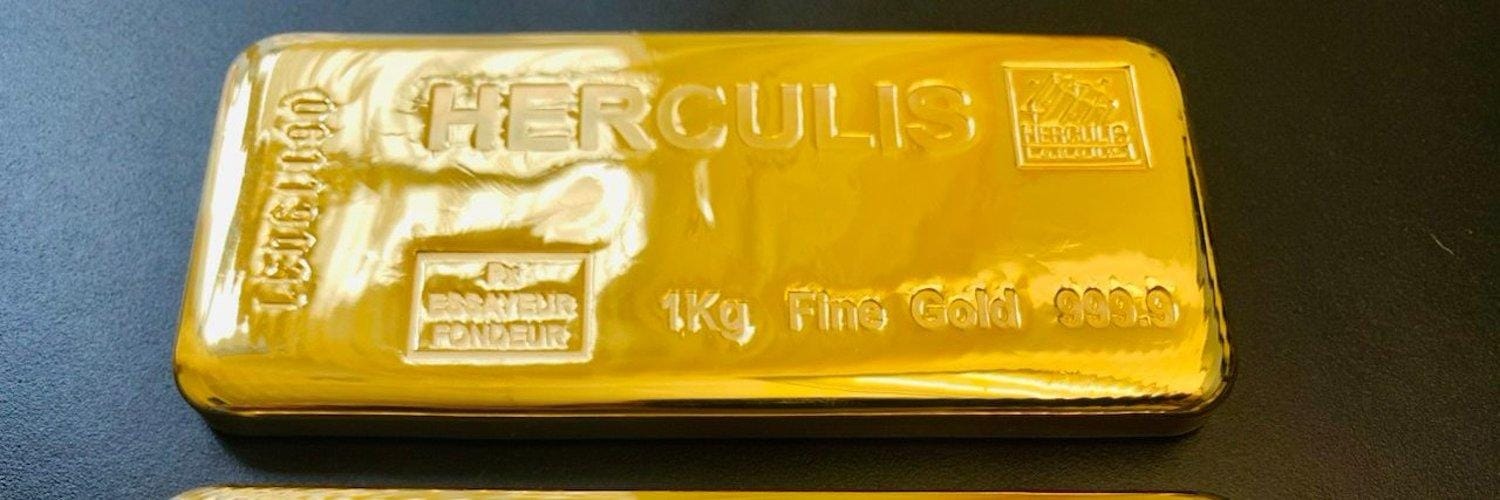
The obvious comparison is the largest Ethereum-based gold-backed tokens. These typically tokenise bullion in institutional sizes, and physical delivery can mean assembling four hundred tokens, worth roughly $2.1 million. XAUH Herculis starts at the other end: redemption opens at 500 grams, not a 400-ounce bar, and purchase at a dollar. On accessibility, XAUH Herculis plainly wins.
Honesty requires the other column. The incumbents are older, larger and far more liquid, and a holder can exit a big position in a way a thin newcomer cannot yet promise. Their scale is a feature for large holders, not just a barrier for small ones. The retail route has its own friction: pulling metal out means clearing 500 grams of XAUH gold, know-your-customer checks, a fee and a shipment, so redemption of the asset-backed token is a backstop most buyers never use. On cost, though, the gap is stark: moving a rival gold-backed cryptocurrency on Ethereum can run twenty to fifty dollars, the same move here costs cents, decisive for the small, frequent transfers XAUH Herculis was built around and beside the point for the large ones incumbents serve.
XAUH gold: what the verification record shows
The credibility of any gold-backed cryptocurrency rests on what a holder can check, and this is where XAUH gold leans on Switzerland. XAUH gold is 999.9 fine bullion refined by PX Precinox in Neuchatel and held as tokenised gold across three custodians. The safeguards behind the gold-backed token are specific rather than rhetorical:
- one gram of allocated Swiss bullion per token
- reserves divided across three separate custodians
- Herculis House, Brink's and Loomis as the named vaults
- independent verification by KPMG SA in Switzerland, reported 28 August 2026 under Swiss Auditing Standard 920
- bar counts, certificate serial numbers and weights checked against 18 PX Precinox certificates during that verification
- reserve data published on-chain through the Chainlink oracle network
- a bankruptcy-remoteness provision ring-fencing the metal
Verification runs on two tracks, an agreed-upon-procedures report from KPMG SA and an oracle feed any holder of the asset-backed token can read, so XAUH digital gold is confirmed rather than trusted, where rivals disclose holdings only in general terms. In its legal materials, the firm characterises the instrument as an asset-backed payment token, not a security under Swiss or Panamanian law, and states that it works with Panama's Financial Analysis Unit under anti-money-laundering rules, statements reflecting the issuer's own legal position rather than an independent regulatory finding.
Herculis gold coin: the silver and art still on the drawing board
Herculis has been plain that the Herculis gold coin is a first product, not a last. Silver is the near-term candidate, a cheaper entry for buyers who find even fractional digital gold dear; tokenised fine art, from the vaults the group already runs, is the longer shot. Each would reuse the same custody, audit and insurance scaffolding behind the XAUH token rather than a fresh design, which is the argument for treating the Herculis gold coin as infrastructure rather than a one-off.
Each extension widens the XAUH RWA franchise on the same promise, that a unit of RWA (real world assets) is a documented claim rather than a bet on a screen. It lets the firm cast XAUH digital gold as the first tenant of a structure, not the whole building, framing the roadmap around reusing rails rather than rebuilding them for each asset-backed token.
The firm's price commentary is frankly bullish, pointing to targets of five thousand dollars an ounce in 2026 and six thousand by early 2027, driven by central-bank buying and inflation. That is a forecast, not a guarantee, and a reader should treat it as the house view rather than a fact. What matters more for a saver is that the gold-backed cryptocurrency behaves as bullion does, rising and falling with spot while staying cheap to hold and move. A rising price would lift this digital gold in step, but the case for the gold-backed token was never the forecast; it was the plumbing, and the plumbing works whether or not the house call on spot proves right.
XAUH: what a holder can actually do today
Strip away the roadmap and XAUH rests on four verbs: save, earn, borrow, spend. Only the first two work today. A holder buys the XAUH coin, a gold-backed cryptocurrency, on a decentralised exchange such as STON.fi or Uniswap V2, or a centralised venue such as BTSE or Biconomy.com, keeps the digital gold in a Telegram or Tonkeeper wallet, and can stake it for a share of trading fees. The practical scorecard for the token is narrower than the pitch:
- buy from a hundredth of a gram, roughly a dollar
- hold the digital gold in a Telegram wallet
- stake for a share of pooled trading fees
- send between wallets for a few cents
- access lending markets through planned cooperation with Morpho
- move between tokenized gold and a Swiss franc–pegged asset through planned cooperation with Frankencoin
- redeem for metal above the 500-gram threshold
The last two items are promises: cooperation with Morpho would let a holder pledge XAUH as collateral for cash without selling their gold, and cooperation with Frankencoin would give holders a route between tokenized gold and a Swiss franc–pegged digital asset, but neither is live and both depend on partners XAUH does not control. That gap between the four-part pitch and the two-part product is the fair reading of XAUH digital gold today: XAUH digital gold parks value and earns a little, not yet a way to spend or borrow, and access depends on which venue lists it and what a buyer's country allows.
XAUH token: a template still to be proved
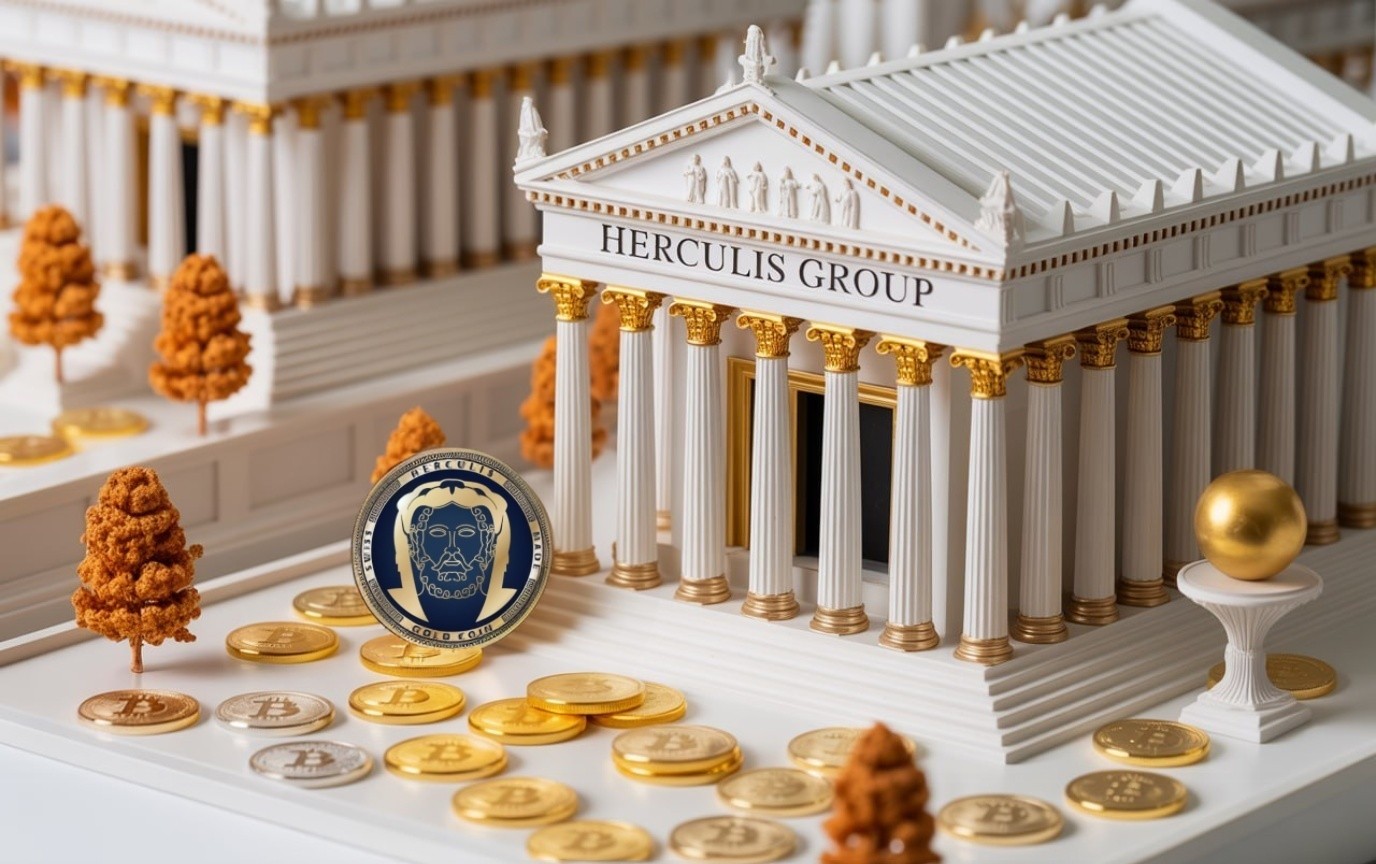
The wider claim is that the XAUH token is a mould, not a coin: if the metal works, the same structure carries silver and art, each a fresh instance of the same XAUH token discipline. That is a serious ambition, and the documentation behind the XAUH token is stronger than most peers offer.
It is also unproven: the XAUH token trades thin, its market value is small, and the harder pieces of XAUH are still slideware. What XAUH can claim now is narrower, more honest: a well-documented gold-backed token, priced for the buyer the incumbents skip, waiting on the depth only adoption of the tokenised gold brings. Whether the tokenised gold earns that depth is the question the next year, not the whitepaper, will answer.
XAUH Coin: Key Takeaways
- XAUH gold is a Swiss payment token, each unit backed one-to-one by a gram of 999.9 LBMA bullion refined by PX Precinox and split across three custodians.
- As a form of digital gold, XAUH digital gold trades continuously and divides to a hundredth of a gram, making a gold-backed token accessible from about a dollar.
- Reserves behind the gold-backed cryptocurrency were independently verified by KPMG SA in a report dated 28 August 2026 and are published on-chain via Chainlink, giving XAUH RWA a verification trail rare among tokenised gold products.
- Initially built on JAMTON across TON and Polkadot, XAUH Herculis now spans Ethereum, TRON and TON as well, and moves for cents against the twenty to fifty dollars an Ethereum-based rival can charge.
- Redemption of the asset-backed token opens at 500 grams with a fee and shipment, so for small savers it is a backstop rather than a routine feature.
- Cooperation with Morpho and Frankencoin remains planned, not live; today the XAUH coin reliably supports saving and staking, with the rest on the roadmap.
- The issuer frames the XAUH token as the first of a series extending to silver and art under the same custody and RWA (real world assets) model.
XAUH: FAQ
What is XAUH gold, in one line?
XAUH gold is a gold-backed token in which one unit equals one gram of allocated Swiss bullion, redeemable and independently verifiable rather than a mere price exposure.
How is XAUH digital gold different from a gold ETF?
XAUH digital gold settles continuously and divides finely, whereas an ETF clears on a delay; both track gold, but only this digital gold moves whenever its owner does.
Is the XAUH token a security?
The issuer's legal materials characterise the XAUH token as an asset-backed payment token, not a security under Swiss or Panamanian law, and state that it operates under Panama's AML regime, statements reflecting the issuer's own legal position rather than an independent regulatory finding.
Why does a gold-backed cryptocurrency need a cheap network?
Because a gold-backed cryptocurrency built for small, frequent transfers is unusable if each move costs twenty dollars; on JAMTON a transfer costs cents.
What backs XAUH RWA, and who checks it?
Each XAUH RWA unit is backed by vaulted metal at Brink's, Loomis and Herculis House, independently verified by KPMG SA and published through Chainlink for RWA (real world assets) holders to inspect.
Can I get physical metal from the Herculis gold coin?
Yes; redemption of the tokenised gold begins at 500 grams, with a 1 per cent fee above a kilogram and 3 per cent at the minimum, exclusive of shipping.
Is XAUH Herculis a finished product?
Not yet; XAUH Herculis reliably supports saving and staking today, while cooperation with Morpho and Frankencoin are planned features that depend on partners and are not live.