betterhood Raises ₹11.5 Crore Led by Sauce for Pain Care
betterhood has raised ₹11.5 crore led by Sauce for preventive pain care. Musculoskeletal pain affects 53.5% of Indians over 45, but 62.3% of women against 48.9% of men, and the company's 7,000-strong physiotherapist community is the channel that matters.
More than half of Indians over 45 live with musculoskeletal pain. Among women it is closer to two thirds.
That gap is where the business is.
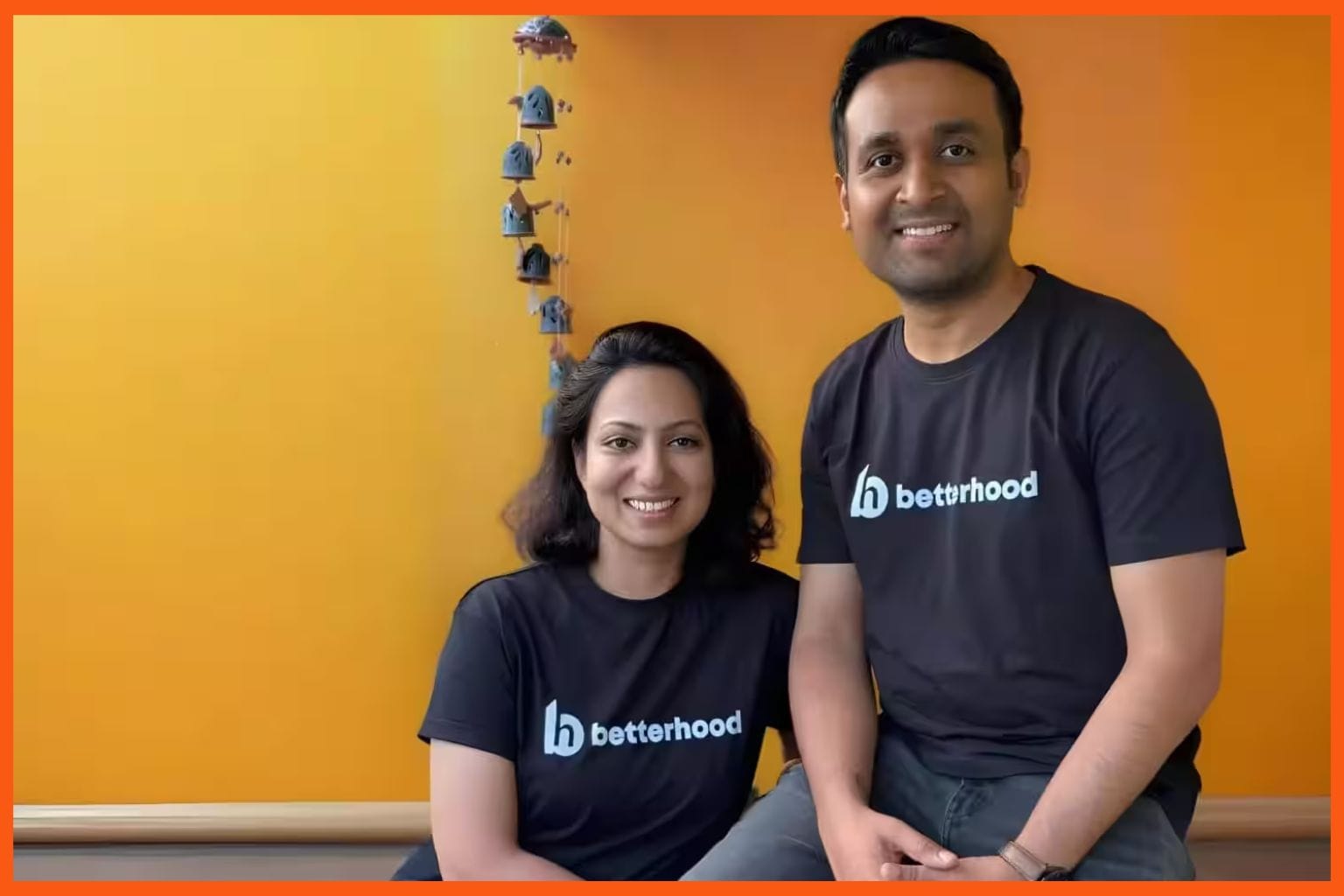
betterhood has raised ₹11.5 crore in a seed round led by Sauce, with existing investor Kairon Capital following on. Vikram Kadam and Neha Zade founded the company and launched it in October 2024, selling posture and ergonomic supports, orthotic soft goods for back, knee, ankle and wrist, and recovery products.
Who actually has the pain
Yash Dholakia of Sauce puts it at more than half of Indian adults over 45, which is right. A nationally representative survey of older Indians puts overall musculoskeletal disorder prevalence at 53.5% for the 45-and-over population, rising to 60.4% past 60.
The split underneath it is the part worth knowing. Prevalence among women is 62.3%. Among men it is 48.9%. Joint pain, at 41.9%, is more common than back pain at 32.6%.
A thirteen-point gap between women and men is not a rounding difference, and for a consumer brand it is close to a strategy document. It tells you who the buyer most likely is, which body parts to lead with, and which of the two problems in the name of the category actually shows up more often.
Seven thousand physiotherapists are the distribution
betterhood says it is building Physio Circle, a community of physiotherapists that has passed 7,000 members, alongside articles, forum answers and podcasts it runs itself.
It is better understood as a channel than as content marketing.
Nobody buys a knee support on brand affinity. They buy it because it hurts and somebody credible told them which one to get, and in this category that somebody is almost always a physiotherapist. A brace recommended in a clinic converts at a rate no advertisement matches, because the person recommending it has just examined the knee. Seven thousand physiotherapists is not an audience, it is a referral network in a category where referral is the purchase trigger, and it is considerably harder for a competitor to copy than a product range. Building one takes years of turning up with material useful enough that clinicians who can spot a sales pitch instantly choose to stay.
Whether that community is active or merely enrolled is the question the number does not answer, and it is the one that decides whether this works.
What Sauce tends to back
Sauce is a consumer-focused fund whose portfolio includes The Whole Truth, Mokobara and Hocco. The pattern there is brand-led companies in crowded categories, selling against incumbents on trust and clarity rather than on price or distribution muscle.
betterhood fits that shape. Braces and supports are not a new product. They are sold today by pharmacy chains, unbranded manufacturers and a handful of global names, and what betterhood is proposing is that the category has never had a brand people recognise or a reason to trust one over another.
"What sets betterhood apart is that it is not selling a single product into that need. It is building around the whole consumer, across posture, support, recovery and education, and it is earning trust by creating awareness," said Yash Dholakia, Partner at Sauce.
Kairon Capital, which wrote the company's first cheque, has followed on. Its founder Deepankur Malhotra says the fund's approach is to back founders early and keep backing them, which is what a follow-on in a seed round is.
This is not an ordinary consumer category
Orthotic supports are not sold like apparel. They fall under India's Medical Devices Rules, which govern what may be manufactured, sold and claimed, and the lowest-risk physical support products sit in a self-notification route rather than outside the framework altogether.
That matters in two directions. It constrains what a brand may say, because a therapeutic claim on a support is a regulated statement rather than copywriting. It is also a barrier that works in betterhood's favour, since a category with compliance overhead is one that casual entrants leave alone, which is not true of most consumer-facing corners of Indian healthcare.
The market numbers are the company's
betterhood puts its core categories at roughly ₹20,000 crore in India, growing in the low to mid teens, and the wider opportunity including rehabilitation tools, fitness and personalised nutrition at about ₹35,000 crore.
Those are the company's own figures, with no source given for them, which is worth holding lightly. The prevalence data underneath is not in doubt; how much of that pain converts into someone buying a ₹1,500 knee support is a different question and a much harder one to size.
The money goes into the product range, distribution across quick commerce and modern retail, the content and physiotherapist community, and hiring.
"We started betterhood with a simple belief: pain care should fit into everyday life, rather than be something people figure out only when pain gets in the way," said Vikram Kadam, Co-Founder of betterhood.
What I would watch is the split between quick commerce and the clinic. If the volume comes through Blinkit and Zepto, betterhood is a D2C brand competing on shelf position and paid acquisition like any other. If it comes through the 7,000 physiotherapists, it is something considerably more defensible, and the community stops being a marketing line and becomes the business.
Common questions
How much has betterhood raised?
₹11.5 crore in a seed round led by Sauce, with participation from existing investor Kairon Capital.
What does betterhood sell?
Posture and ergonomic supports, orthotic soft goods including back, knee, ankle and wrist supports, and pain relief and recovery products, aimed at people with early signs of discomfort rather than established chronic pain.
What is Physio Circle?
A community of physiotherapists that betterhood runs, which the company says has passed 7,000 members, built around awareness of posture, pain prevention, movement and recovery.
Round size, investor names, product range and quotes come from the company's announcement. Prevalence figures are from a nationally representative survey of Indian adults aged 45 and over, published in PLOS One.