Marmalade Raises ₹6 Cr for Its Brightside Whiskey Brand
Marmalade has raised ₹6 crore from individual backers including Amrut Distilleries' COO for Brightside Craft Whiskey, a smoother whiskey aimed at younger drinkers. Its ₹5 crore ARR is a run rate, which works out at roughly ₹42 lakh of sales in September.
Brightside Craft Whiskey sells for ₹1,750 a bottle in Maharashtra, and there is a meter built into the glass that shows you how much you have got through.
Marmalade, the company behind it, has raised ₹6 crore. The round was announced on 9 September 2026 and is made up of individuals rather than funds: Ashok Chokalingam, chief operating officer of Amrut Distilleries; Robert Sellares of the Don Q Rum founding family; Ishank Gupta, formerly a director at AB InBev; the founders of Malt Society Arabia; and HomeLane founders Srikanth Iyer and Tanuj Choudhry.
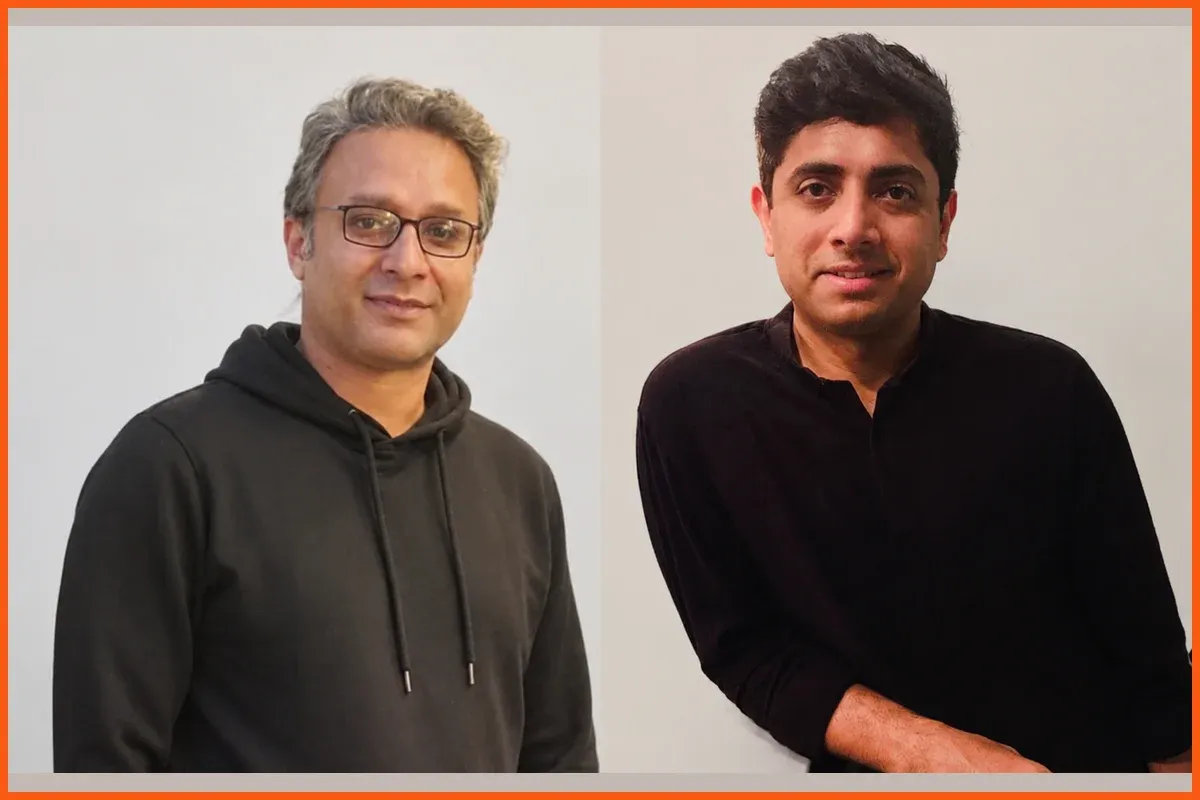
Udit Mediratta and Surojit Bhattacharya founded the company in 2025 and launched Brightside in Pune in January 2026.
What "₹5 crore ARR" actually means here
The announcement says Marmalade is on track for ₹5 crore in annualised revenue run rate in September 2026, and is targeting ₹15 crore by December.
Those are two different kinds of number, and it is worth separating them. An annualised run rate takes one period's sales and multiplies out. ₹5 crore ARR in September means roughly ₹42 lakh of sales in that month, projected across a year the company has not yet had. For a brand that went on sale eight months ago in one city, that is a genuine result and it is not the same thing as ₹5 crore of revenue. The ₹15 crore figure is a target rather than an achievement, and the "3x in under four months" framing describes a plan.
None of which makes the trajectory unimpressive. It does mean a reader should hold the December number differently from the September one.
The master blender is also an investor
Brightside was developed with Amrut Distilleries and its master blender Ashok Chokalingam. Chokalingam is also the chief operating officer of Amrut, and he is on the investor list for this round.
So the same person helped formulate the product, runs the company that makes it, and has now put money into the brand that sells it. That is a concentration of roles worth stating plainly, and in this case it reads more as alignment than as a problem. Contract distilling relationships in India often leave a young brand at the back of someone else's production queue, and an investor with operational control of the distillery is unlikely to be the one deprioritising you.
"Gen Z is expected to account for nearly 40% of India's drinking population by 2030. Yet, much of the category still speaks to an earlier generation, with products and brands that have not kept pace with changing tastes," said Udit Mediratta and Surojit Bhattacharya, co-founders of Marmalade.
Most of this money buys paperwork
The stated plan is distribution expansion, brand-building, and sales and operations hiring, with Mumbai and the rest of Maharashtra as the priority. Anyone reading that as a marketing budget is reading the wrong industry.
Alcohol in India is regulated state by state, not nationally. Each state sets its own excise duty, runs its own label registration and approval process, and fixes how a brand may be priced and sold. Several states buy through a government corporation that acts as the sole wholesaler. A brand that works in Pune does not automatically get to sell in Bengaluru or Delhi; it has to be registered, approved and priced again, one state at a time, with fees and working capital at each step. This is why the Indian liquor industry has historically favoured large incumbents, and it is the reason ₹6 crore goes less far here than the same money would in a D2C category you can ship by courier.
Staying inside Maharashtra is the sensible version of this.
Pune to Mumbai is a new market but the same regulatory regime, which makes it the cheapest expansion available in this industry.
The product bet
Brightside is positioned as "Not Your Father's Whiskey" and built around removing the burn and bitterness that new drinkers tend to dislike, using malts and grain spirits with botanicals. It sits in what the company calls a whitespace between ₹1,500 and ₹2,200.
The packaging is doing real work too. Beyond the pour meter, the bottle carries a peel-to-reveal label, which the company describes as a first for the category. In a shop where a customer cannot taste before buying and staff recommendations carry weight, the bottle is most of the marketing.
The risk in the strategy is the same as its appeal. Making whiskey easier to drink is a clear proposition to someone buying their first bottle, and a harder one in a category where difficulty has traditionally been the point. Whether India's newest drinkers reward that is a question India's alcohol market has not really been asked before, and other beverage startups will be reading the answer closely.
Common questions
How much has Marmalade raised?
₹6 crore in an early-stage round, backed by individual founders and operators from the alcohol and consumer sectors rather than by institutional funds.
What is Brightside Craft Whiskey?
An Indian craft whiskey developed with Amrut Distilleries, blending malts and grain spirits with botanicals for a smoother finish. It sells at ₹1,750 for a 750ml bottle in Maharashtra.
How much revenue does Marmalade have?
The company says it is on track for ₹5 crore in annualised run rate in September 2026, which is roughly ₹42 lakh of sales in that month projected across a year. Its ₹15 crore figure for December is a target.
Round size, investor names, product details and quotes come from the company's announcement of 9 September 2026. Alcohol licensing and excise are set by individual state governments.