Tata Sons Chairman Opts Out of FY26 Pay Hike Amid Strategic Challenges
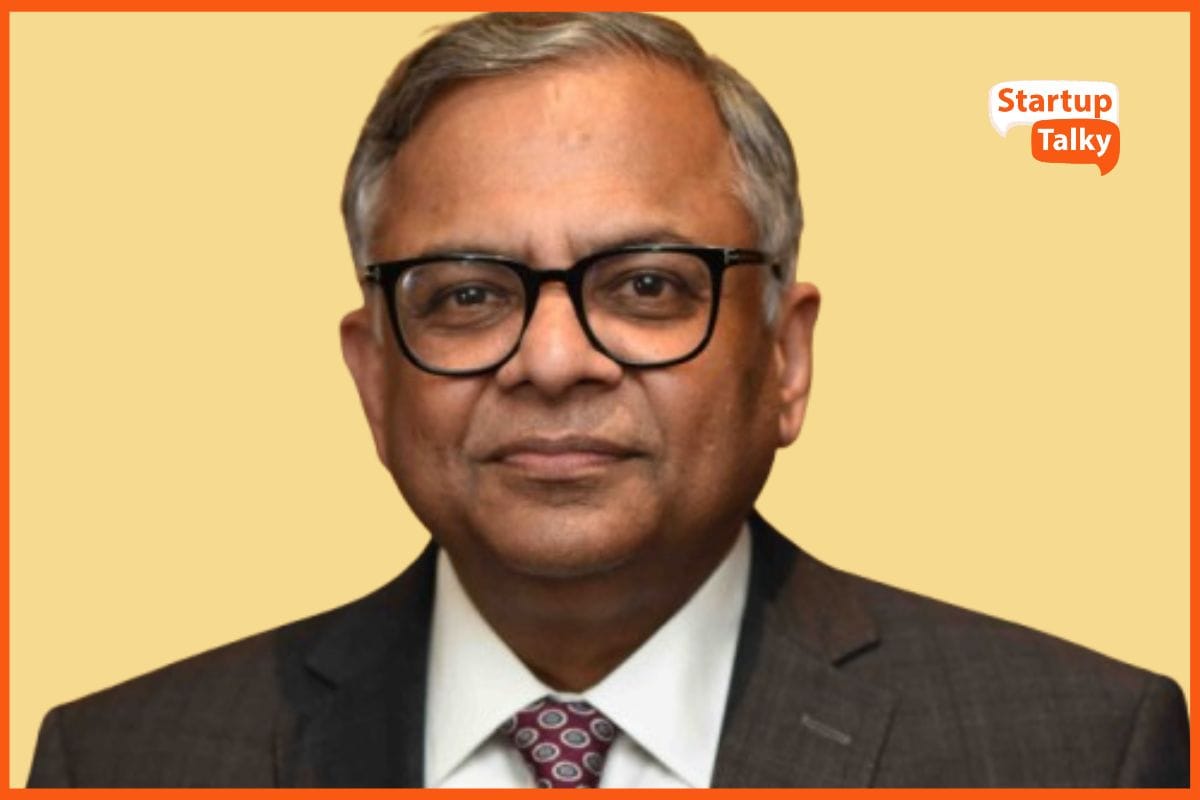
N. Chandrasekaran, chairman of Tata Sons, has opted not to get a salary rise for fiscal year 26. The decision is made as Tata Group considers the profitability and allocation of funds for many new ventures. It is believed that Chandrasekaran stated his intention to forego a salary increase this year during discussions at the Nomination and Remuneration Committee meeting that occurred last week alongside the Tata Sons board meeting. The group is currently juggling rapid revenue growth with intense profit pressure, which is why this decision is coming at the last minute.
Chandrasekaran Continues to Draw Heavy Remunerations
After receiving a boost himself in FY25, Chandrasekaran has decided to forego a salary increase for his employees in FY26. Despite the group's concerns regarding capital deployment, profitability in new ventures, and its substantial reliance on TCS for net profit, Chandrasekaran was granted a pay hike. Revenue for Tata Sons in FY25 was INR 5.92 lakh crore, up 24% from the previous year, but net profit was INR 28,898 crore, down 17%. Tata Consultancy Services continued to play a significant role in the conglomerate's profits profile, as it accounted for 43% of the group's net profit in the same year. With a 15% increase from FY24, Chandrasekaran earned a total of about INR 155.8 crore in FY25.
This places him among the highest-paid corporate executives in India. His compensation was highly dependent on his performance. In addition to almost INR 140.7 crore from profit-linked commission, around INR 15.1 crore came from salary and related perks. Compensation talks have also taken place in the context of increased internal scrutiny of investments in new companies.
Noel Tata, chairman of the Tata Trusts, had previously voiced concerns about the amount of money being invested in many innovative and developing projects. He is said to have expressed gratitude for Tata Electronics' development and expansion and has subsequently recognised the company as a strategic, nation-building enterprise that is in line with India's manufacturing aspirations.
|
Some Interesting Facts of the Story |
|
1.The Tata-Stellantis alliance marks one of the
biggest collaborations involving an Indian automaker's platform for a global
brand. 2.Tata Group is simultaneously investing heavily in
electric vehicles, semiconductors, electronics, and clean energy businesses. 3.Profitability in several new-age businesses
remains under close review as the group pursues long-term growth. |
Stellantis Taps Tata Motors to Build Jeep Vehicles
Stellantis has just launched the most significant rethinking of its India strategy in recent times. The company and Tata Motors have declared their intention to collaborate on the design and production of a new Jeep model for the international market. As a result, India went from being a challenging home market to a low-cost engineering and export centre for over 50 nations.
Jointly constructed in Ranjangaon, Maharashtra, the new Jeep model will use a base created by Tata Motors. This move is part of Stellantis's strategy to reduce development expenses, increase production regionalisation, and protect profit margins from intensifying competition and costly Western manufacturing ecosystems.
|
Quick Shots |
|
•Tata Sons Chairman N. Chandrasekaran has declined a
salary hike for FY26. •The decision comes amid strategic challenges and
capital allocation concerns across Tata Group companies. •Chandrasekaran reportedly conveyed his decision
during the Nomination and Remuneration Committee meeting. •Tata Group is balancing strong revenue growth with
pressure on profitability from new ventures. |