2026 Outlook: What Will Shape India’s Smart Grid & IoT Future
India’s smart grid evolution is entering a new phase, driven by large-scale smart meter rollouts, IoT integration, and data-led operations, redefining how energy is managed, distributed, and optimized for the future.
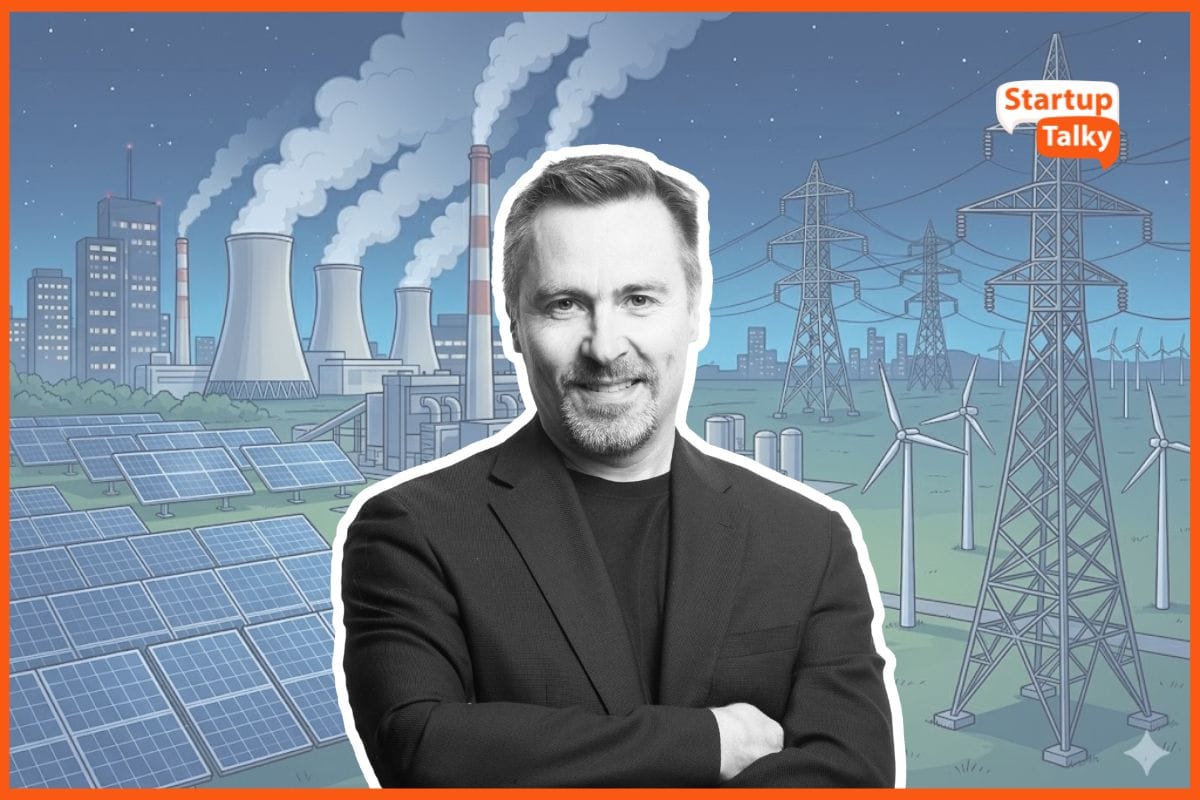
This article has been contributed by Teppo Hemiä, CEO at Wirepas.
India’s smart grid and smart metering market is witnessing strong momentum, with the sector expected to grow at a CAGR of around 20–25% over the coming years, driven by government-led digitalization initiatives and rising demand for energy efficiency.
With plans to deploy 250+ million smart meters under national programs, the country is rapidly building one of the world’s largest advanced metering infrastructures. Looking ahead, the integration of IoT, real-time data analytics, and distributed energy systems is set to transform the power sector into a more resilient, data-driven ecosystem, positioning India as a global leader in next-generation grid innovation.
India’s power sector is undergoing one of the most ambitious digital transformations anywhere in the world. What began as a push for billing efficiency has evolved into something far more consequential: the creation of a data-driven, responsive, and resilient smart grid capable of supporting India’s energy transition at scale.
As we move to 2026, it is becoming clear that smart metering and large-scale IoT are no longer peripheral technologies. They are foundational infrastructure, on par with transmission lines and substations, shaping how energy is produced, distributed, and consumed. For startups, utilities, and technology providers alike, the next phase will demand innovation and industrial-grade execution.
From Rollouts to Real Operations
The year 2025 marked an inflection point. India moved decisively from pilots and fragmented deployments to coordinated, large-scale rollouts involving millions of smart meters. The focus was no longer on whether smart metering could work, but on how reliably and efficiently it could be operated at a national scale.
This shift matters. Installing devices is one challenge; running networks for 10–15 years under real-world conditions is another. Utilities have begun to evaluate technologies through a long-term operational lens, asking hard questions about reliability, maintenance, lifecycle cost, and resilience under stress.
By 2026, this operational mindset will define success. Technologies that were designed for controlled environments will struggle. Those proven in dense cities, high-rise buildings, noisy electrical grids, and diverse rural settings will set the standard.
Connectivity Becomes Strategic Infrastructure
Connectivity choices are emerging as one of the most strategic decisions in smart grid design. As meter density increases and data requirements grow, the limitations of traditional approaches become more visible.
Power Line Communication (PLC) has faced challenges in complex or degraded grids. Cellular connectivity, while useful in some scenarios, introduces high patent fees and indoor coverage constraints at a large scale. As a result, India’s experience is accelerating interest in decentralized, affordable, standardized wireless architectures such as Wirepas’ RF mesh that scale organically as networks grow.
This is not simply a technical debate; it is an economic one. With tens of millions of endpoints, even small differences in operating cost or reliability compound rapidly. In 2026, utilities will increasingly favor connectivity models that minimize dependency on centralized infrastructure and reduce long-term OPEX, while maintaining predictable performance.
Smart Meters as Grid Sensors
Another defining shift toward 2026 is the role of the smart meter itself. It is evolving from a billing device into a real-time grid sensor.
As rooftop solar, distributed energy resources (DERs), electric vehicles, and flexible loads expand, utilities need continuous visibility at the edge of the grid. Voltage fluctuations, reverse power flows, and localized congestion cannot be managed with monthly reads or static data models.
This creates new value pools. High-resolution, reliable meter data enables advanced analytics, predictive maintenance, loss reduction, and dynamic tariff models. For startups, this opens opportunities well beyond hardware, into software platforms, analytics, optimization tools, and grid services layered on top of AMI infrastructure.
However, none of this is possible without dependable connectivity. Data is only valuable if it arrives consistently and on time. This also means that utilities need a coherent connectivity solution. If they include, for example, a proprietary option in the mix, no matter how different it is, it cannot be exploited, because the application layer must serve the entire utility installation base. Standards-based, well-performing connectivity provides a coherent foundation for open business opportunities for applications that improve utility efficiency.
Ecosystems Will Outperform Standalone Players
One lesson from India’s large-scale deployments is clear: no single company can deliver a national smart grid alone. Success depends on deep collaboration between meter manufacturers, connectivity providers, system integrators, utilities, and regulators.
By 2026, interoperability will no longer be optional. Utilities will expect multi-vendor ecosystems where components can evolve without locking the entire system into a single technology stack. Open interfaces, certification programs, and proven integrations will become decisive procurement criteria.
For startups, this represents both an opportunity and a challenge. The opportunity lies in specializing: solving one problem exceptionally well and integrating seamlessly into larger systems. The challenge lies in meeting industrial standards for reliability, security, and scalability from day one.
Cybersecurity and Trust Take Center Stage
As smart grids become national digital assets, cybersecurity will move from compliance checklists to a strategic priority.
By 2026, stakeholders will expect secure onboarding, robust device authentication, and lifecycle security management at a massive scale. Trust will not be built through promises, but through demonstrated resilience over time.
This is particularly relevant for startups entering the energy domain. Innovation speed must be balanced with disciplined engineering. Utilities will favor partners who understand that energy infrastructure is mission-critical and who design accordingly.
India As a Global Reference Point
India’s scale, diversity, and pace have effectively turned the country into the world’s toughest test environment for smart grid technologies. Solutions that perform well here are increasingly viewed as globally viable.
This has important implications for Indian startups. Technologies proven in India are gaining international relevance, especially as other regions confront similar challenges around urban density, renewable integration, and grid modernization.
In 2026, we will see more Indian-developed solutions influencing global standards and practices; not because they are theoretical innovations, but because they have survived real-world complexity.
What Stakeholders Should Prepare for
Looking ahead, three priorities stand out:
- Design for operations, not just deployment. Long-term performance, maintainability, and cost efficiency will define winners.
- Build with ecosystems in mind. Interoperability and partnerships will matter more than vertical control.
- Treat connectivity and data as strategic assets. They underpin every future grid capability.
India’s smart grid journey is entering a more mature phase, one where execution, resilience, and collaboration matter more than headlines.
For entrepreneurs, utilities, and technology leaders, 2026 will be about building infrastructure that India can rely on for decades. Those who understand this shift will help shape not just the grid of the future, but the energy economy that depends on it.
 Sanvi Barjatya